From the Coach's Notebook

Training Articles

Sport science broken down into things you can understand and actually use, from triathlon and run power to race analysis. Written for athletes who want their limited training hours to count.

Read the original articles in Chinese →
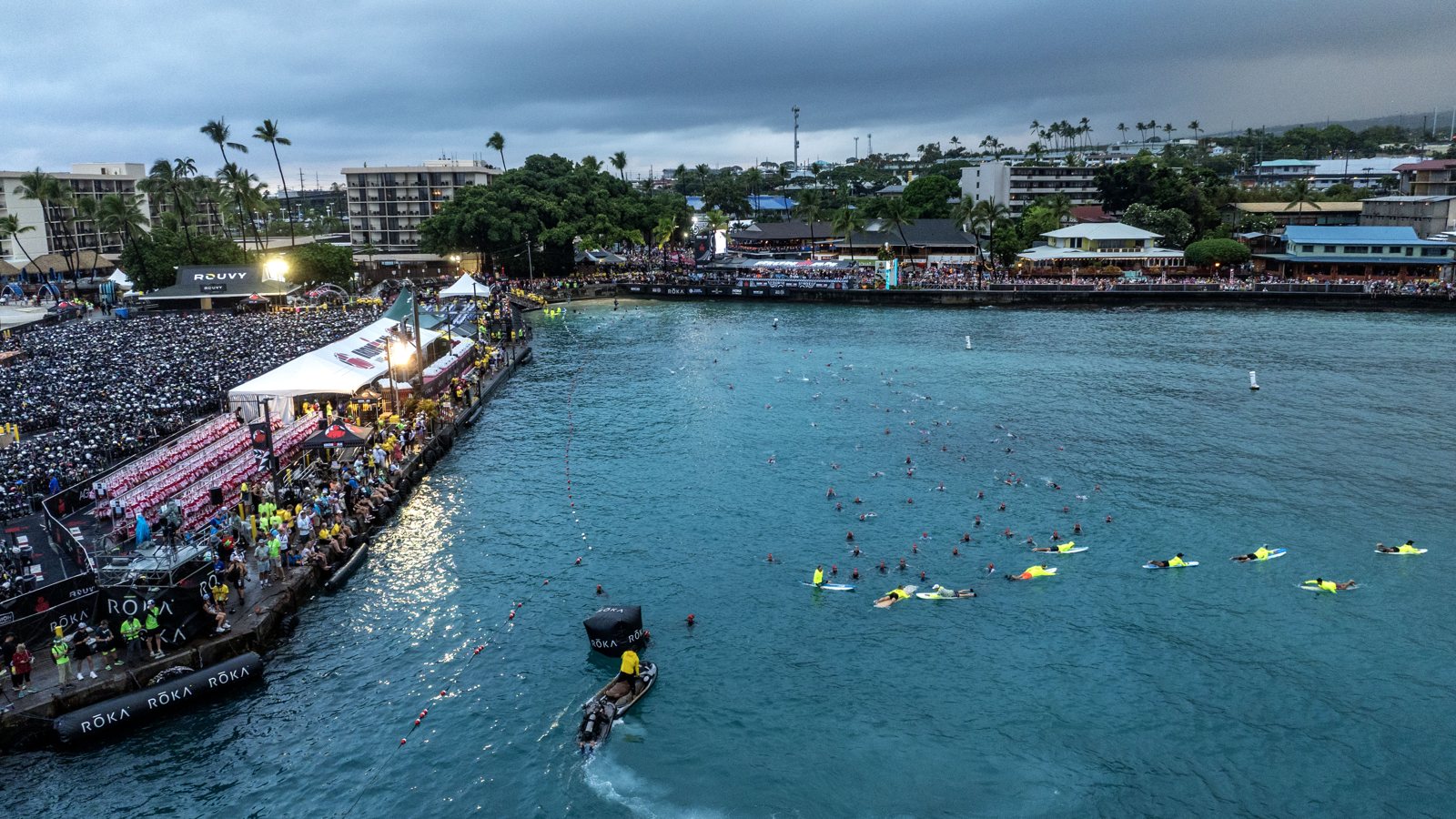
How Hard Was Kona 2026? 22 Pro DNFs and Swims 14% Slower
Training Science

How Hard Was Kona 2026? 22 Pro DNFs and Swims 14% Slower | IRONMAN World Championship Results, Weather, and Why Athletes Dropped Out

Vincent Luis won in 7:47:27 and Taylor Knibb in 8:36:29. Twenty-two pros didn't finish, including Lange, Laidlow, Charles-Barclay, and Ditlev, and the overall DNF rate hit 6.4%, the highest since 2022. Compared with their own results at other IRONMAN races, the same athletes were 6.6% slower overall, 14% slower in the swim, and 5.1% slower on the bike. The weather data, the two kinds of pro DNFs, top-five splits (the fastest bike didn't win), how far Japan's Jumpei Furuya is from the top 8, and three lessons for age-groupers.
Kona 2026: All Three of Our Athletes Ran into the Age-Group Top 30
Athlete Stories

Kona 2026: All Three of Our Athletes Ran Their Way into the Age-Group Top 30 | The Prep Behind 3rd, 19th, and 28th in M35-39

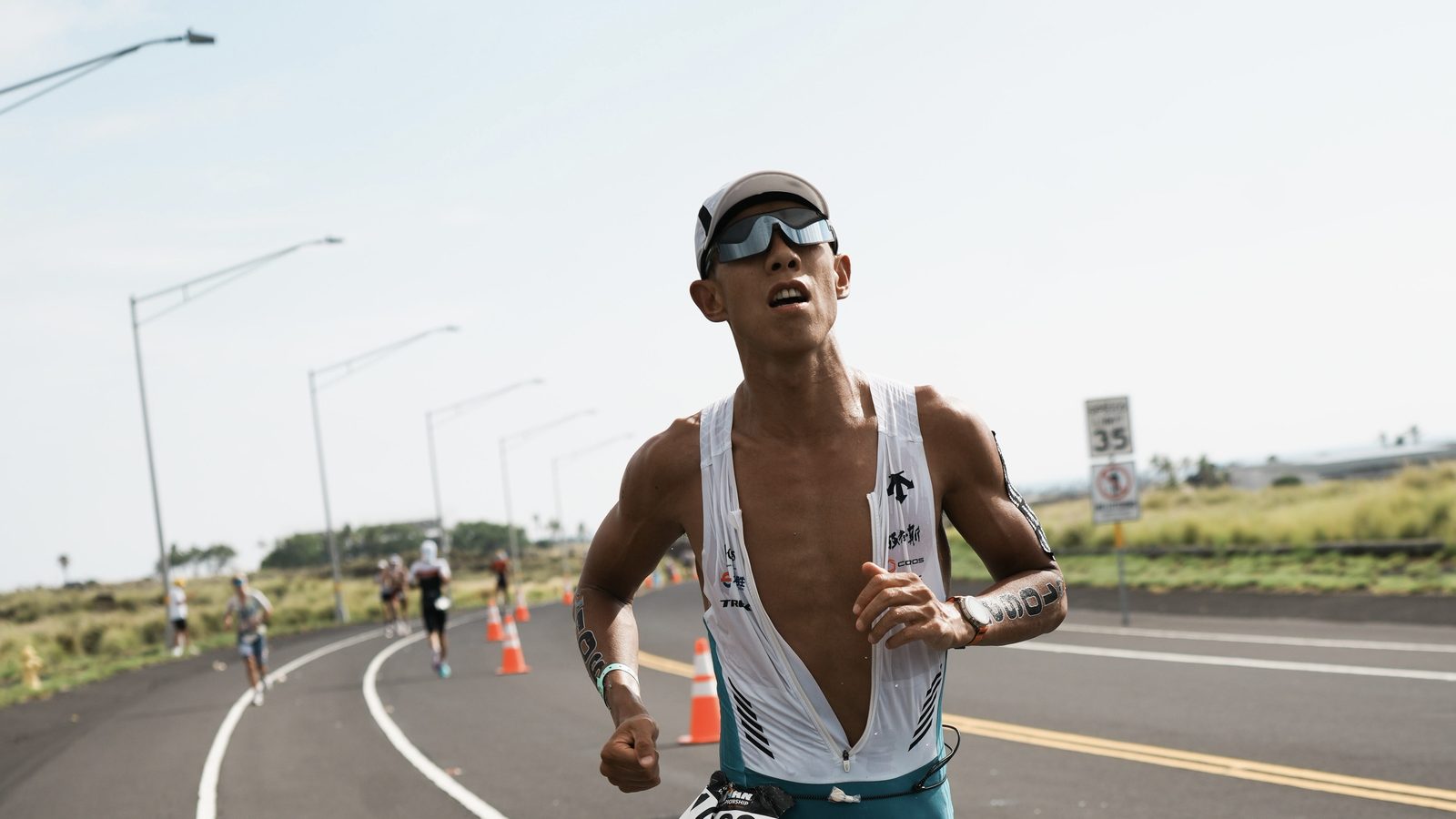
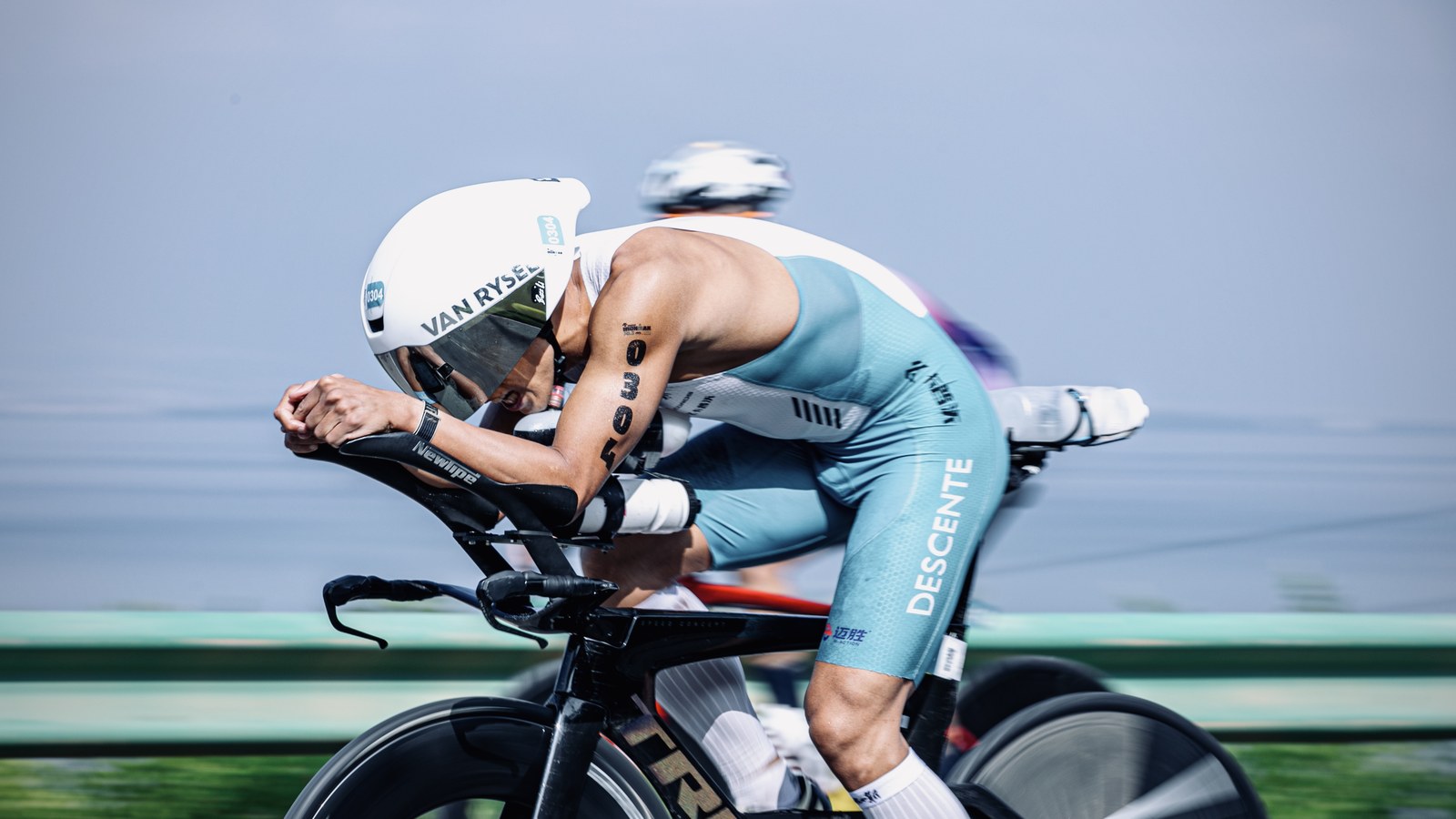
At this year's Kona World Championship, Li Pengcheng took 3rd in M35-39, Cao Junyu 19th, and Yanlong Kai 28th, all three inside the age-group top 30. Li came out of T2 in 6th, 11:24 behind Santos, got back 10:17 with a 2:56:40 marathon, and ran the second half 71 seconds faster than the first. Cao went from 30th to 19th, and Kai passed 47 guys in his age group from 75th. The new qualification system, a year with fewer athletes, faster times, and more DNFs, a scouting report on two former pros, a 6.4% DNF rate in rain, swells, wind, and heat, and the altitude-plus-heat prep.

Racing at 2,000 Meters: Faster on the Bike, Slower on the Run
Training Science

Racing at 2,000 Meters: Faster on the Bike, Slower on the Run | Four Things I Learned at IRONMAN 70.3 Dali

IRONMAN 70.3 came to Dali, Yunnan, for the first time, on a course along Erhai Lake at close to 2,000 m. The air is about 18% less dense than at sea level, so on a flat course you actually ride faster. The run is too slow to get much from the lower drag, but you still pay for the thin air. Four things: get there as early as you can (on day 1 at 2,340 m, VO₂max was down 12.8% and time to exhaustion 25.8%, and by day 7 they'd won back only 3.2% and 6.0%), ride more aggressively and let go of your run expectations, cut target power 5 to 8% for altitude, and in dry heat pour water on yourself while in humid heat you cool from the inside.

Are Race Cramps Really About Electrolytes?
Training Science

Are Race Cramps Really About Electrolytes? | 30 Years of Kona Medical Records on 49,530 Athletes Say the Strongest Predictor Is Your Last Cramp

The first thing athletes text me after a race is almost always the same: "Coach, did I not take in enough electrolytes?" Medical tent records from the IRONMAN World Championship in Kona from 1989 to 2019 have now been analyzed: 49,530 athletes, 10,533 medical records, 2,863 cramp cases. The cramp group's blood sodium and potassium were no different from the non-cramp group's, but they lost noticeably more body weight, which runs opposite to a 2011 prospective study of 210 athletes. And only one thing best predicted cramping again: having already cramped once in that race made a second cramp 2.4 times as likely. How to read those three findings, and the four things to do, in order, after your first cramp in a race.

Your Aero Helmet Makes Your Head Bigger. So Why Are You Faster?
Gear & Data

Your Aero Helmet Makes Your Head Bigger. So Why Are You Faster? | There Are Only Two Ways to Cut Drag

Every year before race season, the gear marketing ramps up. This helmet saves a few watts, that wheelset saves a few more, and added up it looks like minutes, yet once you buy it all your results barely move. There are only two ways to cut drag: change your shape so the air flows more smoothly, or make yourself smaller, and it's all in three letters, CdA. Why 80% of your drag is you, how to read the 16 watts of threshold power lost at a 12° hip angle (the study ran a few dozen minutes in a lab, and our full-distance bike leg runs five or six hours), and the two questions to ask about any piece of gear.

Can't Train Like You Used To After 40: Is It Really Menopause?
Training Science

Can't Train Like You Used To After 40: Is It Really Menopause? | Forty Years, Only 29 Studies, and Science Still Can't Answer

"Is it menopause? Is that why training suddenly feels so hard?" I've heard that from more than one female athlete. An April 2026 review searched every study from 1984 to 2024 on competitive women over 40 and found just 29 in forty years. What's settled: aerobic capacity drops 0.5 to 2.4% a year, mainly because of cardiac output, and training volume is a significant predictor. On menopause, the most honest line in the literature is "still unclear." Where the review draws the line between known and unknown, and how I tell aging apart from fitness you can train back.

Are Women Really More Durable? Two 2026 Experiments Weigh In
Training Science

Are Women Really More Durable? Two 2026 Experiments Give a Strong Answer | Same Fitness, and After 3 Hours Men Drop 9.9% While Women Drop Only 1.1%

Men slowing down more than women in the back half of a marathon has usually been blamed on greedy pacing. Two 2026 lab studies tested performance-matched men and women at the same relative intensity in running and cycling: after 3 hours of running, men's fatigued output dropped 9.9% and women's only 1.1%; after 90 minutes of heavy cycling, men's threshold power dropped 16% while women's drop didn't reach statistical significance. Which two of the three durability factors the sex difference falls into, what 870,000 Berlin Marathon finishers say, and whether the 10/20/30% slowdown yardstick needs a separate version for each sex.

A 19-Year-Old Breaks the 1500m Freestyle World Record in 14:26.79
Training Science

A 19-Year-Old Breaks the 1500m Freestyle World Record in 14:26.79: How Should Young Athletes Train, and What Can Age-Group Triathletes Learn?

Germany's 19-year-old Johannes Liebmann took the 1500m freestyle world record down to 14:26.79, the first man ever under 14:30. But his first championship ended in 51st out of 60. Using his progression and his record splits, three things: what a young athlete's placing can predict now, how top-end speed holds up long-distance results, and why controlling your output under fatigue decides endurance races.

More Data, Bigger Mistakes: The Overlooked TrainingPeaks Trap
Gear & Data

More Data, Bigger Mistakes: The Most Overlooked Trap in TrainingPeaks

TSS in TrainingPeaks was never measured. It's your actual performance divided by a threshold you typed in yourself. Get the threshold wrong and the whole chain of CTL, ATL, and TSB goes wrong with it, with no error message and a chart that still looks great. What I check in a new athlete's first week, the two default traps people fall into most (how an easy one-hour run comes out at 144 TSS), and why AI has turned data quality from picky into necessary.

Durability: The Fourth Dimension Beyond VO2max, Threshold, and Economy
Training Science

Durability: The Fourth Dimension Beyond VO2max, Threshold, and Economy | What Full-Distance Triathletes Need to Train Most

VO2max, threshold, and economy are all measured when you're rested and fresh, but full-distance races aren't decided fresh. A look at durability, the fourth dimension of endurance: why some athletes fade more slowly, why your job on the 180 km bike is to save, and how to estimate how much you have left using data you already have.

Is Norwegian Double Threshold Really Magic? East Africa vs. Norway
Training Science

Is Norwegian Double Threshold Really Magic? East Africa and Norway: Two Roads to the Top of the World

Norwegians prick fingers for lactate and do double-threshold days often; East Africans don't test lactate and get their intensity from the group and the red-dirt roads. Two opposite methods both build world-class athletes, so which one is right? A look at the core difference between threshold density and variability training, and how age-groupers can mix the two to fill in what they're missing.

Why You Need to Retest Your FTP Regularly
Training Science

Why You Need to Retest Your FTP Regularly

FTP is the foundation of every power-based workout. Leave it untested too long and your zones drift, so every interval ends up either too easy or too hard. How often to test, how to test, and what to do with the number.

NeuroPrime: All That Warming Up, but Did You Warm Up Your Brain?
Training Science

NeuroPrime | All That Warming Up, but Did You Warm Up Your Brain? Why Your Brain Needs Endurance Training Too

Before the start you warmed up your shoulders, your legs, and your heart and lungs. What about the brain that has to swim, bike, and run the whole way with you? From cognitive priming and mental fatigue to brain endurance training, a look at the most overlooked piece of the endurance puzzle, and at NeuroPrime, the tool I built for it.

Two Full-Distance Races in Two Weeks: One PR, One Near-Miss at KQ
Race Reports

Two Full-Distance Races in Two Weeks, the Kind No Textbook Would Prescribe: One PR, One Near-Miss at KQ

Anyone who knows me knows I don't recommend racing two full-distance races close together. But this year I went a little crazy for a dream and raced Challenge Taiwan and IRONMAN Da Nang two weeks apart. One was a big PR. In the other, I fought to the end in the worst-case scenario and came close to KQ. This is a race report no textbook would write.

Don't Let Your Caffeine Kick In After the Finish Line
Training Science

Don't Let Your Caffeine Kick In After the Finish Line: The Race Fueling Timing You Can't Get Wrong

Caffeine improves endurance performance by 2 to 4% on average, but a lot of athletes wait until they're about to crack to take it, and by the time it kicks in they may already be across the line. How caffeine works on your brain, why you should take it about an hour early, the two-stage timeline for triathlon, and how athletes who don't usually drink coffee should use it and dose it.

60 Grams an Hour Isn't the Limit Anymore
Training Science

60 Grams an Hour Isn't the Limit Anymore: How Many Carbs Should Age-Groupers Start With?

Textbooks used to say 60 g of carbohydrate an hour was the absorption limit, but top athletes now routinely take in 90 g or even 120 g, and the difference is gut training. How glucose and fructose use two separate absorption pathways, and how age-groupers can safely build up their intake step by step, from checking where they are to testing in training to switching to liquid fuel, so they stop hitting the wall late in the race.