When I wrote about the Norwegian and East African training models, I mentioned a term almost in passing: durability. I gave it half a sentence: "the ability to maintain physiological efficiency during prolonged effort."
Durability is about fading slowly, not lasting long. How many hours you can keep moving is endurance. Durability asks how much of your ability is still there after you've been going for hours. Put simply, it's your resistance to decline.
That word sits on top of an idea sport scientists have been talking about a lot over the last few years, and it deserves its own article. What is it, exactly? How is it different from VO2max or threshold? Is it worth training on purpose?
I want to come at it from a scene you and I both know too well.
A full-distance race (226 km). The last 42 km.
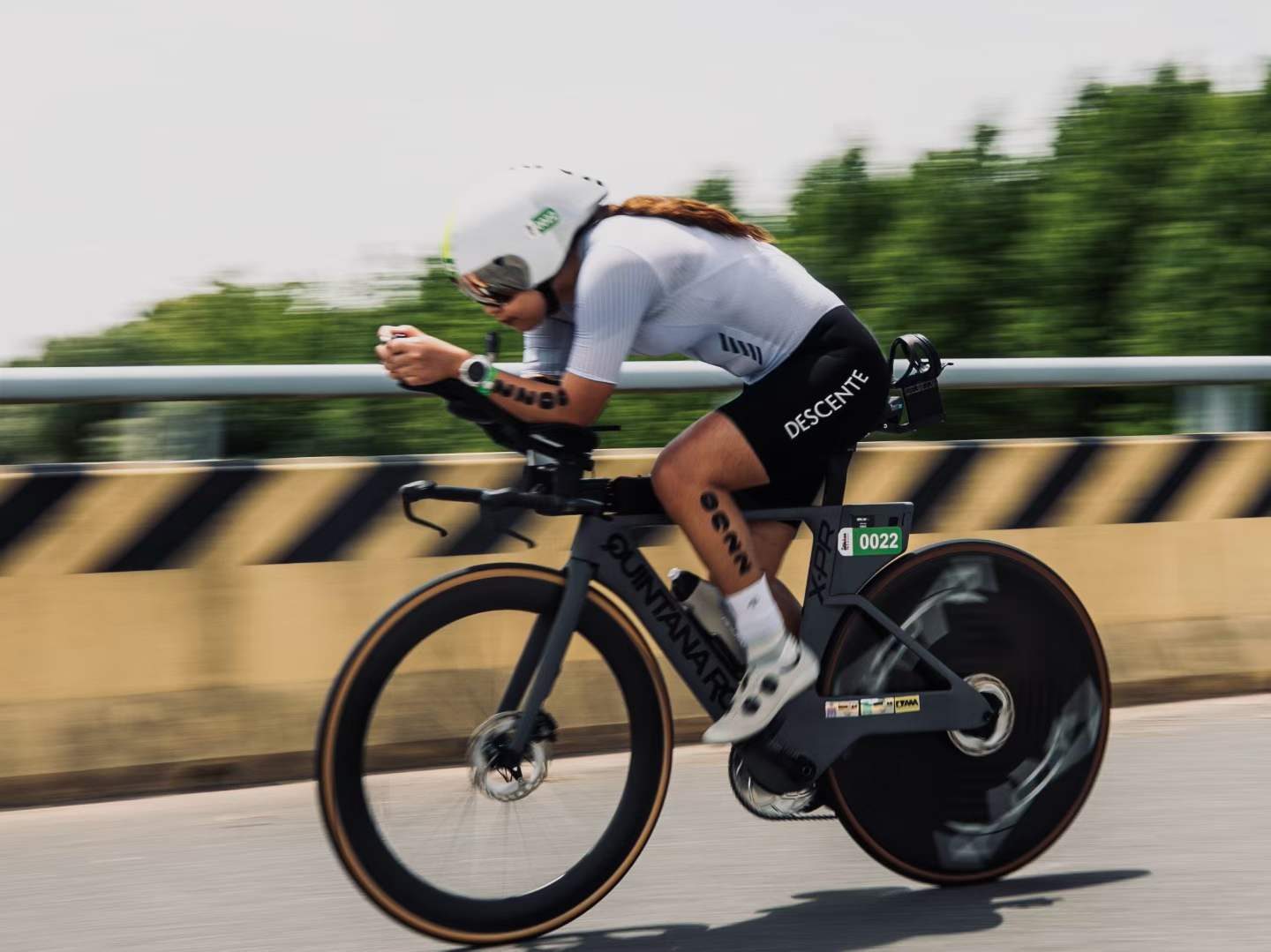
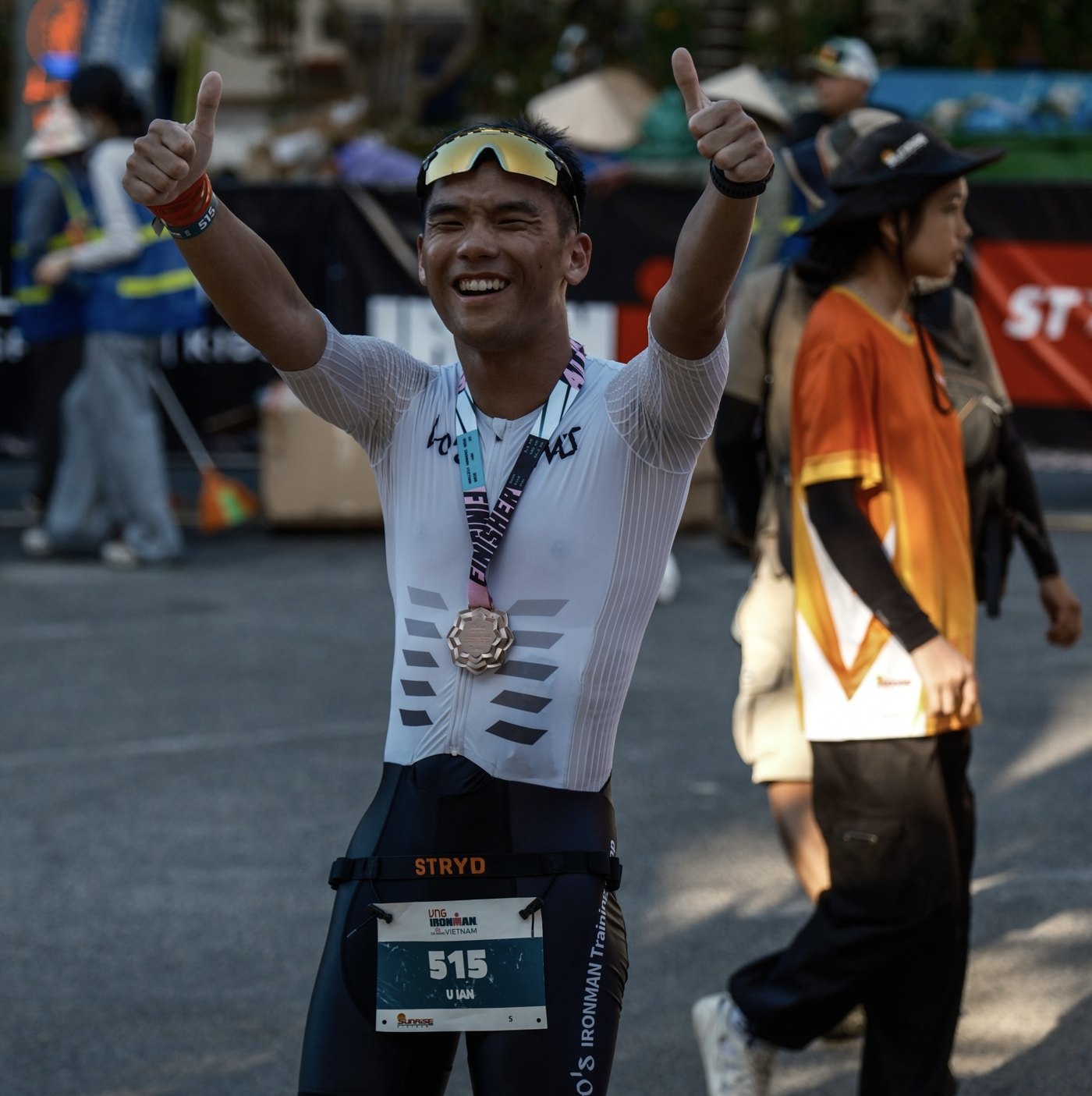
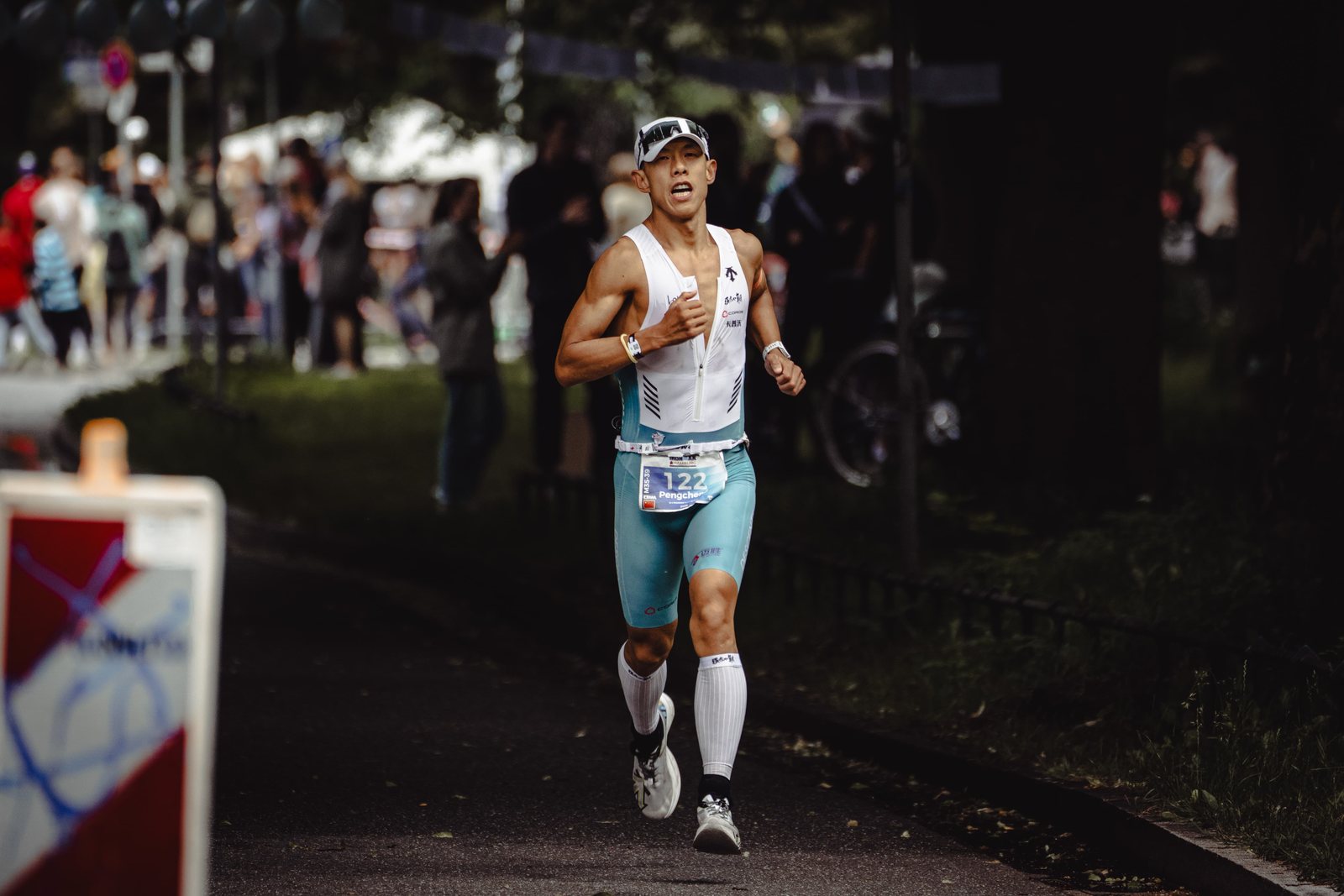
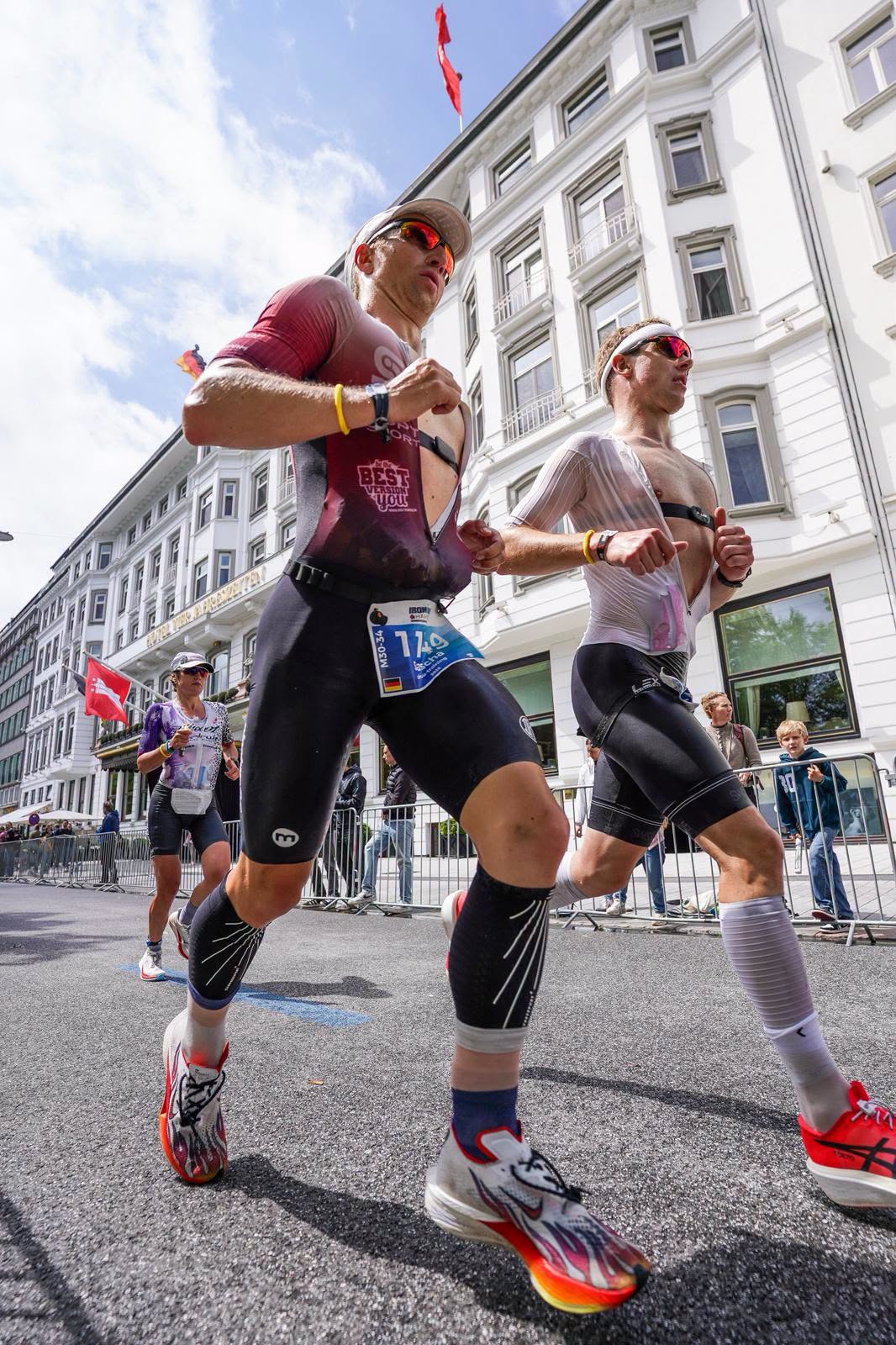
You've probably seen it happen. Two athletes whose watch and power meter numbers look almost identical: FTPs within 5 watts of each other, threshold pace in the same range. Then they finish the swim, finish the bike, and head out on the run. One holds a steady 4:30/km all the way to the finish. The other blows up from 25 km on. The pace drops past 6:00/km, it turns into a run-walk, and the pain is written all over their face.
Same fitness on the start line. So why do they turn into two different athletes in the back half of the run?
We used to explain this by asking whether the fueling went wrong, whether the pacing was too greedy, or whether the athlete just hadn't trained enough. Those all matter. But over the last few years, exercise physiology has come up with a more fundamental answer: you may have been missing an entire dimension of training all along.
The Overlooked Fourth Dimension
Start with an assumption a lot of people don't realize they're making.
We assess endurance athletes with three big markers: maximal oxygen uptake (VO2max), lactate/metabolic threshold, and exercise economy (how little energy you spend running or riding at a given pace). Almost all of them are measured when you're rested and fresh. You walk into the lab in the morning feeling great, get on the trainer or the treadmill, and post a nice set of numbers.
The problem is that most races aren't decided when you're fresh.
In 2021, Ed Maunder, an exercise physiologist at Auckland University of Technology (AUT) in New Zealand, published an important perspective article in Sports Medicine with co-authors including Stephen Seiler, the sport science professor at the University of Agder in Norway best known for his work on polarized training. The paper laid out this blind spot systematically. They pointed out that these physiological markers aren't fixed constants. They deteriorate over the course of prolonged exercise, and people differ a lot in when that decline starts and how big it gets. They brought this resistance to decline into the framework of physiological profiling and called it durability.[1]
Two years later, Andrew Jones, professor of applied physiology at the University of Exeter in the UK (his name is on several of the classic models of endurance performance), made the case even more directly in The Journal of Physiology. He put durability, which he also calls physiological resilience, front and center as the "fourth dimension" of endurance performance, after VO2max, threshold, and economy.[2]
The numbers he reports paint a clear picture. After 2 hours of cycling at heavy intensity (between the first lactate threshold and critical power, roughly what we'd call tempo), athletes' critical power (think of it loosely as "the highest steady output you can still sustain") dropped by about 10% on average. And that's just the average. What really stands out is the spread between individuals: some dropped less than 1%, while others dropped nearly 32%.
Two athletes leave the same start line. Two hours later, what each of them has left can be worlds apart. That gap is what durability is about.
Take that 10% decline, or even 32%, and apply it to a full-distance race, and it clicks. What you can do fresh and what you have left after a swim, a bike, and hours of work are two completely different things. And it's the second one that decides whether you can still run those 42 km.
Why Do Some Athletes Fade More Slowly?
So what's going on inside the athletes who fade more slowly than everyone else? Current research points to three key factors, and you can change all three, at least in part, through training.
First, sparing glycogen. Your carbohydrate stores (glycogen) are limited. At moderate-to-high intensity they last roughly 90 minutes to 2 hours before running low. Durable athletes burn more fat at the same pace and save that precious glycogen for later. Once glycogen runs out, your body has to recruit the less efficient, quicker-to-tire type II (fast-twitch) muscle fibers to hold the pace. Economy starts to slip, heart rate starts to drift, and that's usually where the late-race blowup begins.
One addition here. Sparing glycogen is an ability your body has on its own, but putting carbs back in during the race also helps that engine last longer. There's no way you get through 226 km on the glycogen you started with. Taking in enough carbohydrate as you go is like refueling the tank on the move, which is why top athletes now take in 90 grams per hour or more. Durability is your body's built-in resistance to decline; race-day fueling decides how fast that decline comes and how deep it goes. You build one in training and control the other on the day, and both show up directly in your time over those last 42 km. (I go into much more detail in my article on high-carb fueling.)
Second, the muscle fibers you were dealt. People with a higher share of fatigue-resistant type I (slow-twitch) fibers and denser capillaries in their muscles simply last longer at the same effort: oxygen gets in, and metabolic byproducts get carried out. Durability is roughly half nature, half training. Your genes decide a big share of your fiber-type mix, which is why some people are just naturally more durable. But don't resign yourself to that. Long-term endurance training grows new capillaries, gives you more and stronger mitochondria, and even nudges fast-twitch fibers toward being more fatigue-resistant and more aerobic. You're born with a hand of cards. How well you play it comes down to how you train, year after year.
Third, neuromuscular fatigue resistance. Late in a race, it's not just your heart and lungs that are tired. The muscles themselves can't produce as much force. Studies often measure this with maximal voluntary contraction of the knee extensors. That force drops noticeably after long runs, and the athletes whose force drops the least are best at holding their stride instead of shuffling. Of the three, this is the most trainable: heavy strength training and plyometric (jump) training build it up directly. (When I get to training, I'll show you the numbers from a randomized controlled trial.)
Put the three together and there's nothing mysterious about durability. It's the sum of how much your metabolism, your muscles, and your nervous system can each still hold on to once fatigue starts piling up. And the most important point: most of it is trainable. Before we get to how, though, let's go back to the race course and look at how much this matters over 226 km.
In a Full-Distance Race, This Is Where It's Decided
Time to bring it back to the setting I know best: full-distance triathlon (226 km).
My view of the full distance has always been simple: the race is really about who has the most left at the end. The fastest swim and the hardest bike are just steps along the way. The athletes who still have something in their legs at the end are the ones who race well.
Break the race down and you'll see why. A 3.8 km swim plus a 180 km bike takes a pro about 5 hours, and those of us in the age-group ranks easily 7 to 8 hours or more. By the time you finally get off the bike and lace up for the last 42.2 km, you've already spent most of the day grinding in the water and on the bike. How much of your aerobic engine is left? How much force can your legs still produce? That's durability.
The Bike Is for Saving, Not Spending
In a full distance, the run is where races fall apart most easily, and when it happens, you lose 20 or 30 minutes, minimum. There's one thing I tell my athletes again and again:
Your job on the 180 km bike is to save energy. Every bit you hold back on the bike goes into the bank for the last 42 km.
I don't just say it. I race every full distance this way myself. The early part of the bike is always where I have to fight myself the hardest. Not long after the start, when my body is at its freshest, the power numbers go up with almost no effort, and a voice in my head keeps saying, "Your legs feel great right now. Bank some time while you can." Honestly, holding back when you feel your best is harder than gritting your teeth at the end.
But I know exactly what happens next. So my script is always the same: for the first 90 km, keep power locked at my target, the top of my aerobic zone, and not one watt more. I barely look at heart rate in races. I watch the power meter and hold it there. Early on, it looks like I'm taking it easy. I know I'm making deposits.
It's a strange feeling. When everyone else is off the bike and, 20 km into the run, starts fading one by one, some of them walking, I can still hold the pace I planned before the race and keep pushing forward. That's the moment you understand: winning those last 42 km comes down to how disciplined I was in the five or six hours before it. How good my legs feel on the run that day comes second.
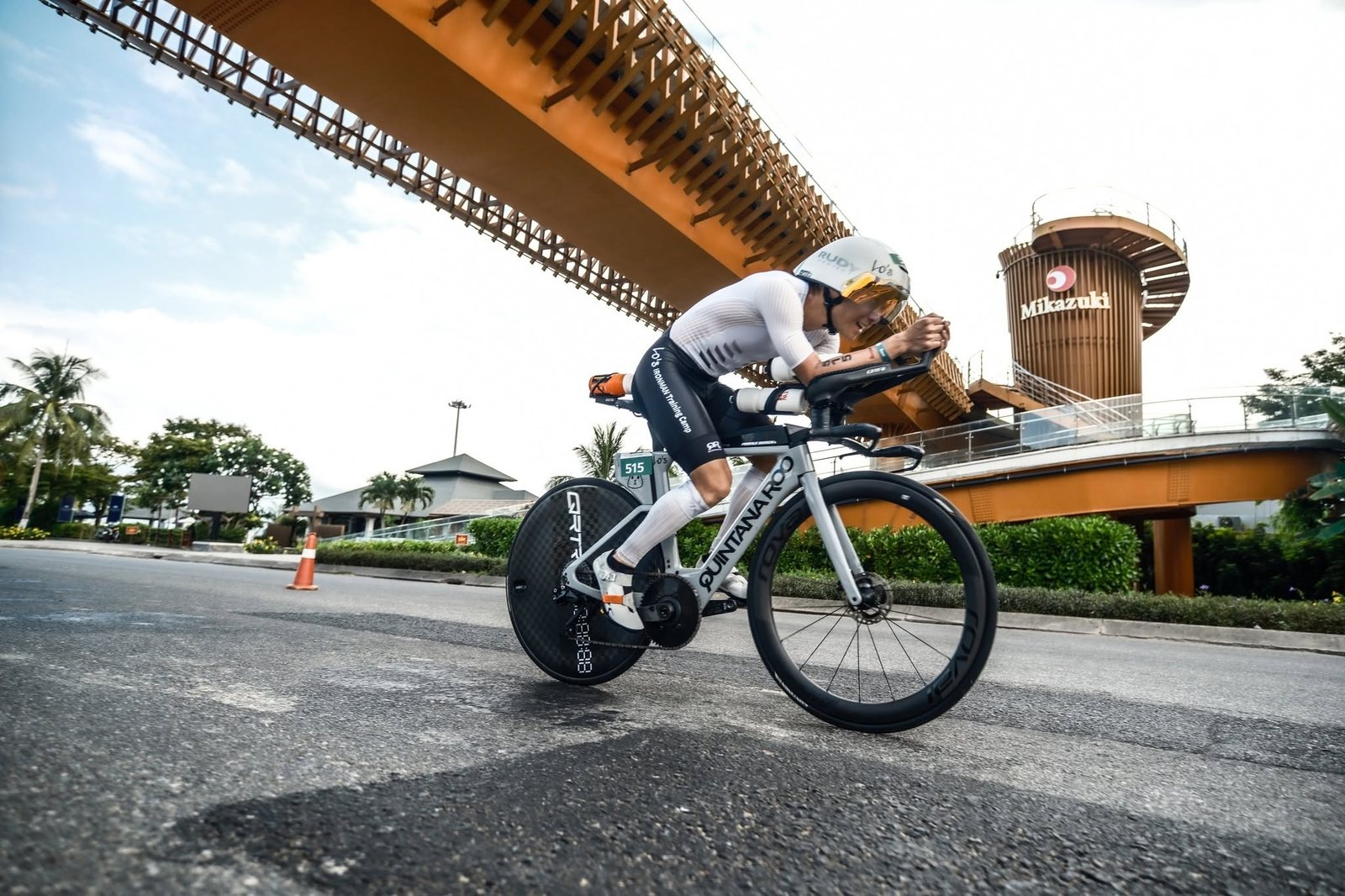
So what does this ability to hold back early and keep your efficiency look like when it's taken to the extreme? There happens to be a study on exactly that.[3] At Challenge Roth in 2023, Danish triathlete Magnus Ditlev finished in 7:24:40, setting a new world best for the full distance. Before the race, he did two simulation tests of 4 to 5 hours each, monitored the whole way by a research team. His oxygen uptake held steady at about 4.2 L/min throughout, his cycling economy barely declined, and his running economy dropped only slightly. In short, what makes the best in the world the best in the world is that after four or five hours of work, their bodies have barely lost any efficiency.
You Can Actually Measure Your Durability
Durability sounds abstract, but you can estimate it from results you already have. Back in 2010, a study of 83 male age-group full-distance triathletes[4] found that the best predictors of overall IRONMAN time, and especially the run split, were the athlete's usual running speed in training and their marathon PR. In other words, how strong your standalone running is goes a long way toward deciding how much running you have left once you're spent.
What's really interesting is the gap. How much slower does the same athlete run a marathon at the end of a full-distance race, carrying a whole day of fatigue, than in a standalone marathon? That gap opens up a lot depending on durability. Take a pro who runs about 2:30 in a standalone marathon might run 2:45 to 2:50 at the end of an IRONMAN, only a little over ten minutes slower, roughly 10%. Now take an age-grouper with a 3:30 marathon. On the same IRONMAN course, their run split could easily be 4:30, or 5 hours and up, a full 30 to 40% slower. Both of them "slowed down," but the pro lost 10% and the age-grouper lost 30 to 40%. That difference is durability, laid bare.
From years of coaching and looking at data, I came up with a pretty low-tech yardstick: compare your standalone marathon time with your full-distance marathon split. Around 10% slower means your durability is strong. Around 20% is average. Once you're past 30%, durability needs more work.
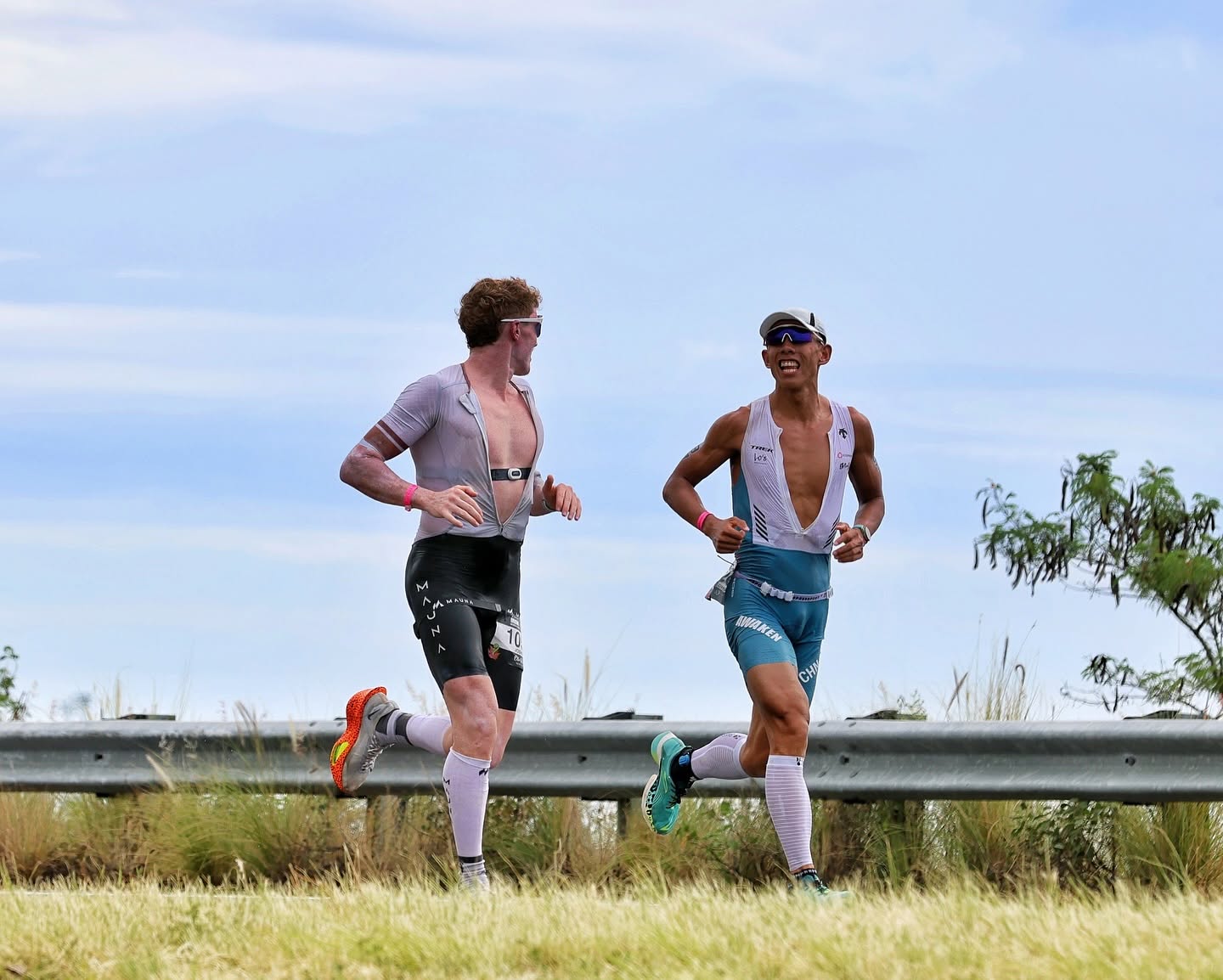
My standalone marathon PR is 2:51, and my best marathon split in a full-distance race is 3:15. That's a 24-minute gap, about 14%. On the yardstick above, my durability sits on the strong side, not far from the elite "10% or under" range. That number reassures me. It's indirect evidence that the direction I've taken over the past few years is the right one: lots of aerobic base, intensity added late in long sessions, and regular strength work.
Look at it from the other side, though, and I don't have much room left to improve my durability. So for me, the next thing to push is my standalone marathon. If I raise that ceiling and keep the same durability, my full-distance marathon split comes down with it. Run the numbers on yourself, too.
How Do You Train Durability?
The Foundation: Lots of Zone 2–3 Aerobic Work
All these years of coaching have convinced me that durability is built brick by brick on a foundation of lots of everyday, low-intensity aerobic work. There's no shortcut.
Research hasn't yet pinned down which intensity zone builds durability best. The literature talks about high aerobic training volume as the base, without tying it to a particular zone. What follows is my own judgment from years of coaching athletes rather than a research finding, but I'm confident in it.
Why Zone 2 to Zone 3? Because the adaptations behind fading slowly that I covered above (more and stronger mitochondria, more capillaries, better fat burning, better glycogen sparing) come from long, sustainable aerobic volume that doesn't wreck you. The more aerobic volume you can stack up week after week, and the longer you keep it going, the thicker that foundation gets. It's also why pros often train 25 to 30 hours a week. All those hours are building exactly this kind of volume-driven durability base.
Those of us with full-time jobs and families to look after are never going to have a pro's hours. The principle is the same, though: instead of finishing every session gasping and hurting, find a way to raise your sustainable aerobic volume and keep it there. That's what decides whether you hold up late in the race.
Aerobic Volume Alone Isn't Enough
If you read the 2025 review on how to train durability by Andrew Jones and Brett Kirby of the Nike Sport Research Lab,[5] you'll see they point to three pieces that work together, with aerobic volume as only one of them:
| Pillar | What you do | What it builds |
|---|---|---|
| ① High, steady aerobic volume over years | Mostly Zone 2–3 training, stacked year after year | The metabolic and aerobic base for durability |
| ② Intensity under fatigue in long sessions | Race-pace-or-faster efforts late in long sessions | Simulates having to push when you're already tired, like on race day |
| ③ Strength and plyometric training | Heavy lifting, explosive and jump training | Delays neuromuscular fatigue and protects economy |
The second piece is easy to understand, and it fits exactly what a full-distance race demands: running easy for a long time won't teach you to speed up when you're tired. One of my favorite tools when I build plans is adding race-pace efforts at the end of a long ride or long run. For example, after 4 hours on the bike, finish with 3 to 4 × 10 minutes at race power, or drop to marathon pace for the last 5 km of a long run. Sessions that make you push one more time when you're already tired are exactly what build durability.
The third piece is strength training. A lot of endurance athletes avoid it because it's tiring and eats up time. But the evidence is pretty clear. In a 2025 randomized controlled trial,[6] well-trained runners added 10 weeks of maximal strength and plyometric training. Compared with the control group, their running economy deteriorated less after a 90-minute run (−2.1% vs. +0.6% for the other group), and their time to exhaustion at high intensity after that run jumped by 35% (the other group actually got 8% worse). Those two numbers are what it looks like when durability improves.
What I keep telling my athletes is that lots of Zone 2–3 aerobic work is the foundation, and I won't budge on that. On top of it, you still need intensity late in long sessions and regular strength training. Put all three together and your durability really takes shape.
You Don't Need a Lab to Measure It
The best thing about durability is that it's both trainable and measurable. Earlier I estimated it from the gap between a standalone marathon and a full-distance run split, which means working backward after a race. You don't have to wait for a race, though. Your everyday training data can track it as you go, and the fields already in TrainingPeaks or your power meter software are enough.
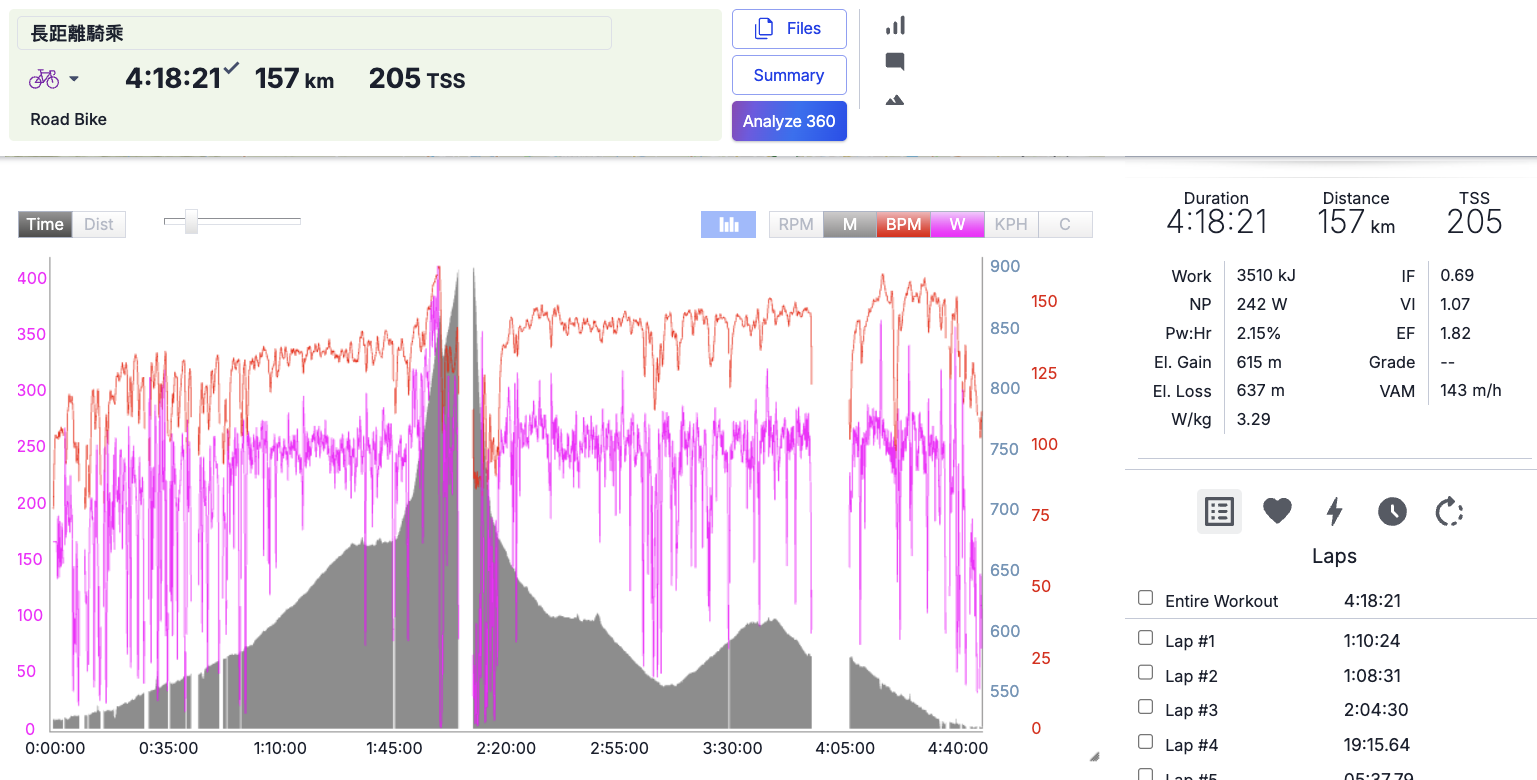
The most practical metric is aerobic decoupling (heart rate vs. power or pace). The idea is simple. Take a long session at a steady intensity, split it into a first half and a second half, and compare how much your output-to-heart-rate ratio drops. Under 5% between the halves means you were steady today and held up late. Over 5%, and especially over 10%, means your body couldn't hold up in the second half and you were losing efficiency. Same workout, same athlete: if that number gets smaller a few weeks later, that's the most direct evidence your durability is improving. In TrainingPeaks, Pw:HR (bike) and Pa:HR (run) calculate exactly this.
Another approach, closer to racing, is to insert short all-out efforts into a long session to test durability. Research has found[7] that compared with just watching physiological drift at a steady intensity, inserting short timed efforts at intervals during a long run gives a more sensitive read on how much an athlete has actually declined, because a maximal effort drags out fatigue that would otherwise stay hidden. You can use this directly in training: add a timed effort late in a long session and see how much you have left today.
Back to those two athletes from the beginning.
Identical numbers before the race, two completely different athletes late in it. The difference was hiding in this "fourth dimension" we used to overlook. The good news is that your genes only decide part of your durability, and the rest you can build yourself. Aerobic volume stacked up year after year, those efforts at the end of long sessions that make you grit your teeth, whether you're willing to get in the gym and lift. Bit by bit, you build durability, and you can measure it, too.
So the next time you plan your training, don't just focus on pushing your FTP up another 5 watts. What can really change your full-distance time usually comes down to a different question: after most of a day of hard work, how much do you have left?
One more thing. This research also turned up a really interesting finding: at the same level of fitness, female athletes seem to have the edge in durability. I ended up writing a separate article on that sex difference: Are Women Really More Durable? Two 2026 Experiments Weigh In.
References:
- Maunder, E., Seiler, S., Mildenhall, M. J., Kilding, A. E., & Plews, D. J. (2021). The Importance of 'Durability' in the Physiological Profiling of Endurance Athletes. Sports Medicine, 51(8), 1619–1628. https://doi.org/10.1007/s40279-021-01459-0
- Jones, A. M. (2024). The fourth dimension: physiological resilience as an independent determinant of endurance exercise performance. The Journal of Physiology, 602(17), 4113–4128. https://doi.org/10.1113/JP284205
- Christensen, P. M. (2024). Aerobic Energy Turnover and Exercise Economy Profile During Race Simulation in a World-Record-Breaking Male Full-Distance Triathlete. International Journal of Sports Physiology and Performance, 20(1), 161–167. https://doi.org/10.1123/ijspp.2024-0221
- Knechtle, B., Wirth, A., & Rosemann, T. (2010). Predictors of race time in male Ironman triathletes: physical characteristics, training, or prerace experience? Perceptual and Motor Skills, 111(2), 437–446. https://doi.org/10.2466/05.25.PMS.111.5.437-446
- Jones, A. M., & Kirby, B. S. (2025). Physiological Resilience: What Is It and How Might It Be Trained? Scandinavian Journal of Medicine & Science in Sports, 35(3), e70032. https://doi.org/10.1111/sms.70032
- Zanini, M., Folland, J. P., Wu, H., & Blagrove, R. C. (2025). Strength Training Improves Running Economy Durability and Fatigued High-Intensity Performance in Well-Trained Male Runners: A Randomized Control Trial. Medicine & Science in Sports & Exercise, 57(7), 1546–1558. https://doi.org/10.1249/MSS.0000000000003685
- Hunter, B., Maunder, E., Jones, A. M., Gallo, G., & Muniz-Pumares, D. (2025). Durability as an index of endurance exercise performance: Methodological considerations. Experimental Physiology, 110(11), 1612–1624. https://doi.org/10.1113/EP092120
Sources compiled from literature indexed in PubMed. This article is general training education; individual training prescriptions still need to be tailored to each athlete's fitness, injury history, and goals.