

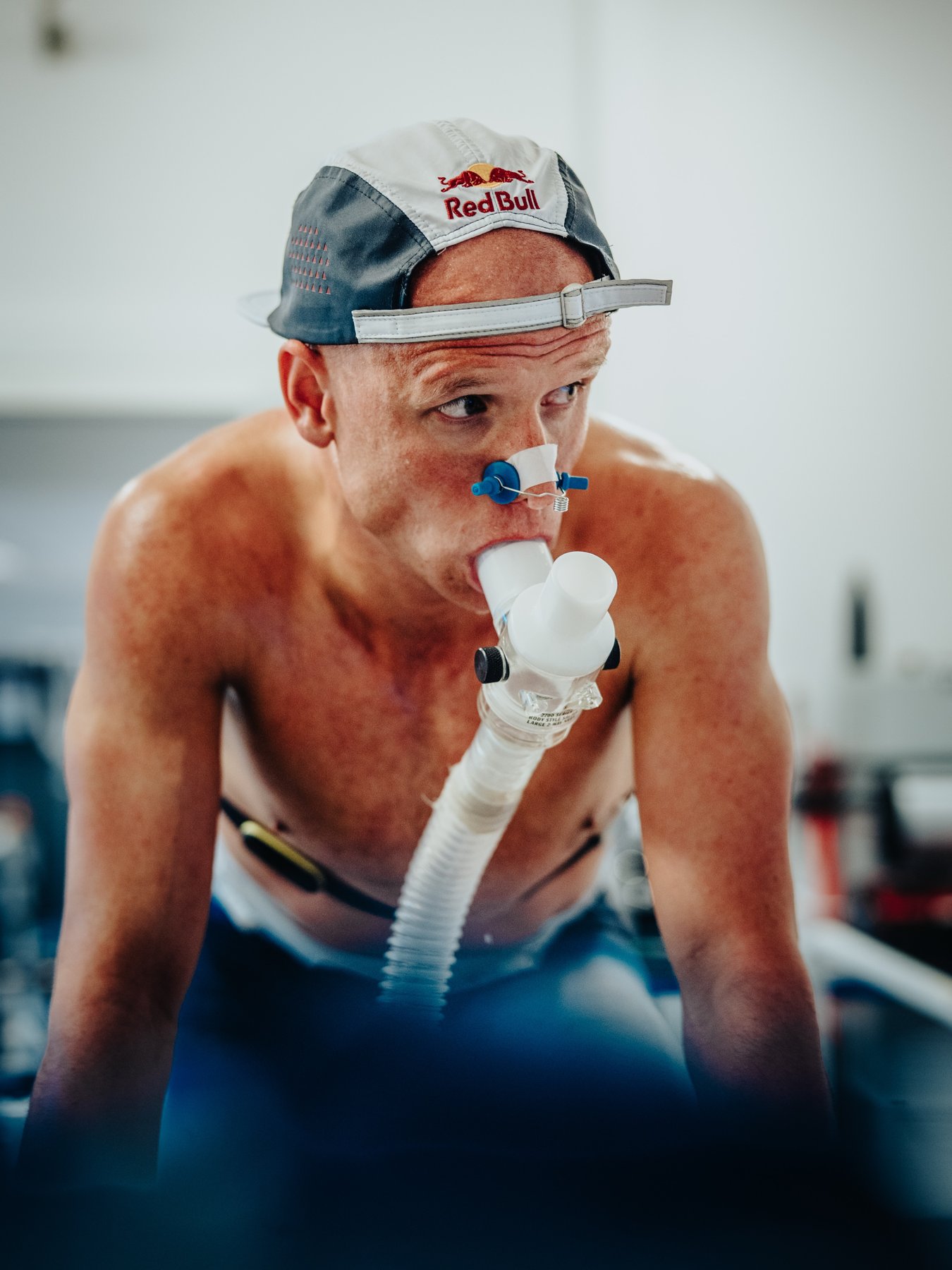
If you've followed middle-distance, long-distance, or triathlon training at all over the last few years, it's hard to have missed one phrase: Norwegian double threshold.
For us triathletes, this method is especially familiar. Kristian Blummenfelt won Olympic gold in triathlon at Tokyo in 2021, then the following May won the postponed 2021 IRONMAN World Championship in St. George in 7:49:16, becoming the first person to win Olympic gold and an IRONMAN world title in the same season. Gustav Iden won the 70.3 World Championship twice, in 2019 and 2021, then won Kona outright in 2022 and set a course record doing it. Casper Stornes, who's risen fast in recent years, comes out of the same system.
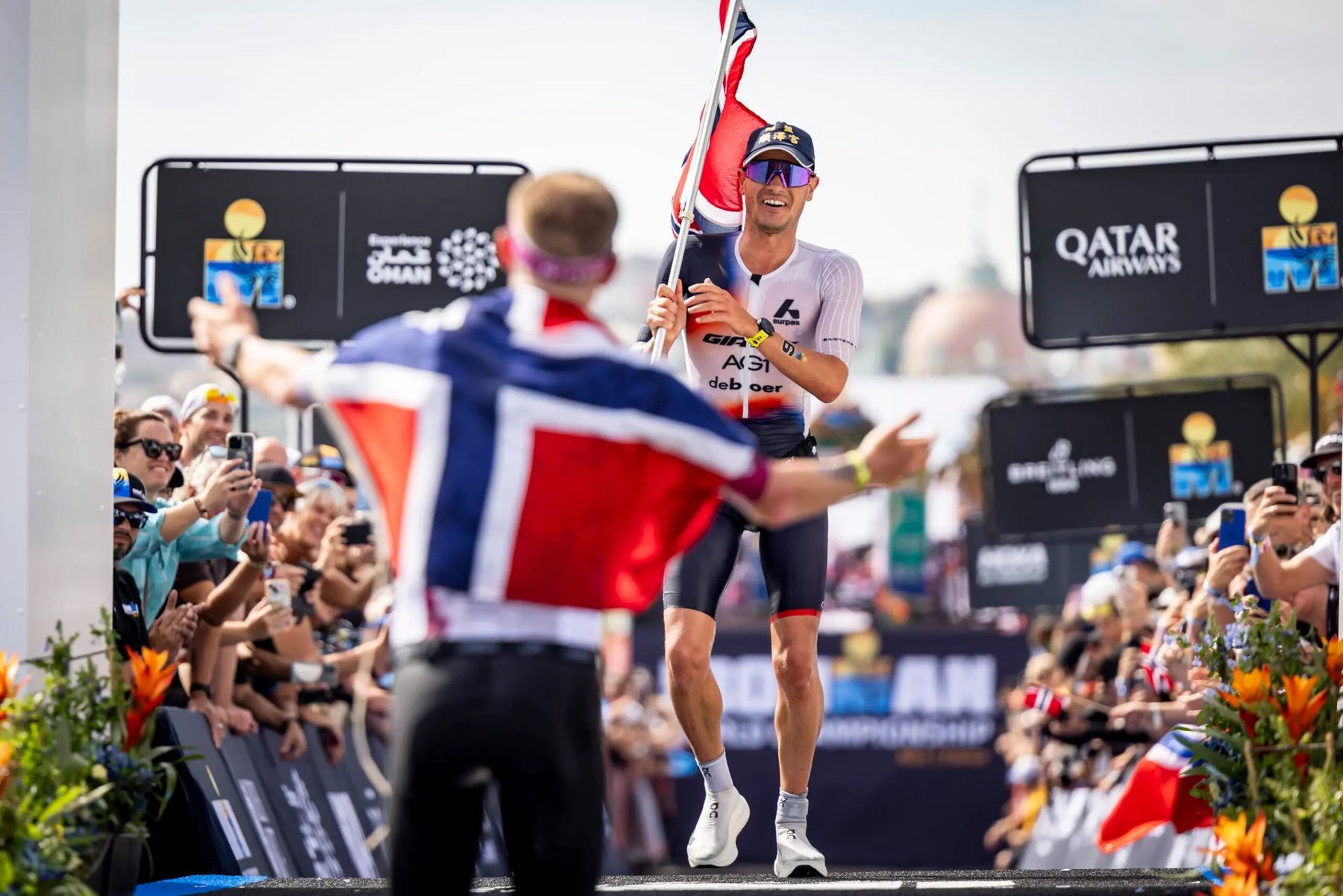
The training philosophy behind them is the "Norwegian method" everyone has talked to death. Finger-prick lactate tests, threshold work in both sessions of a double day, and intensity clamped hard inside one range have pretty much become its trademarks.
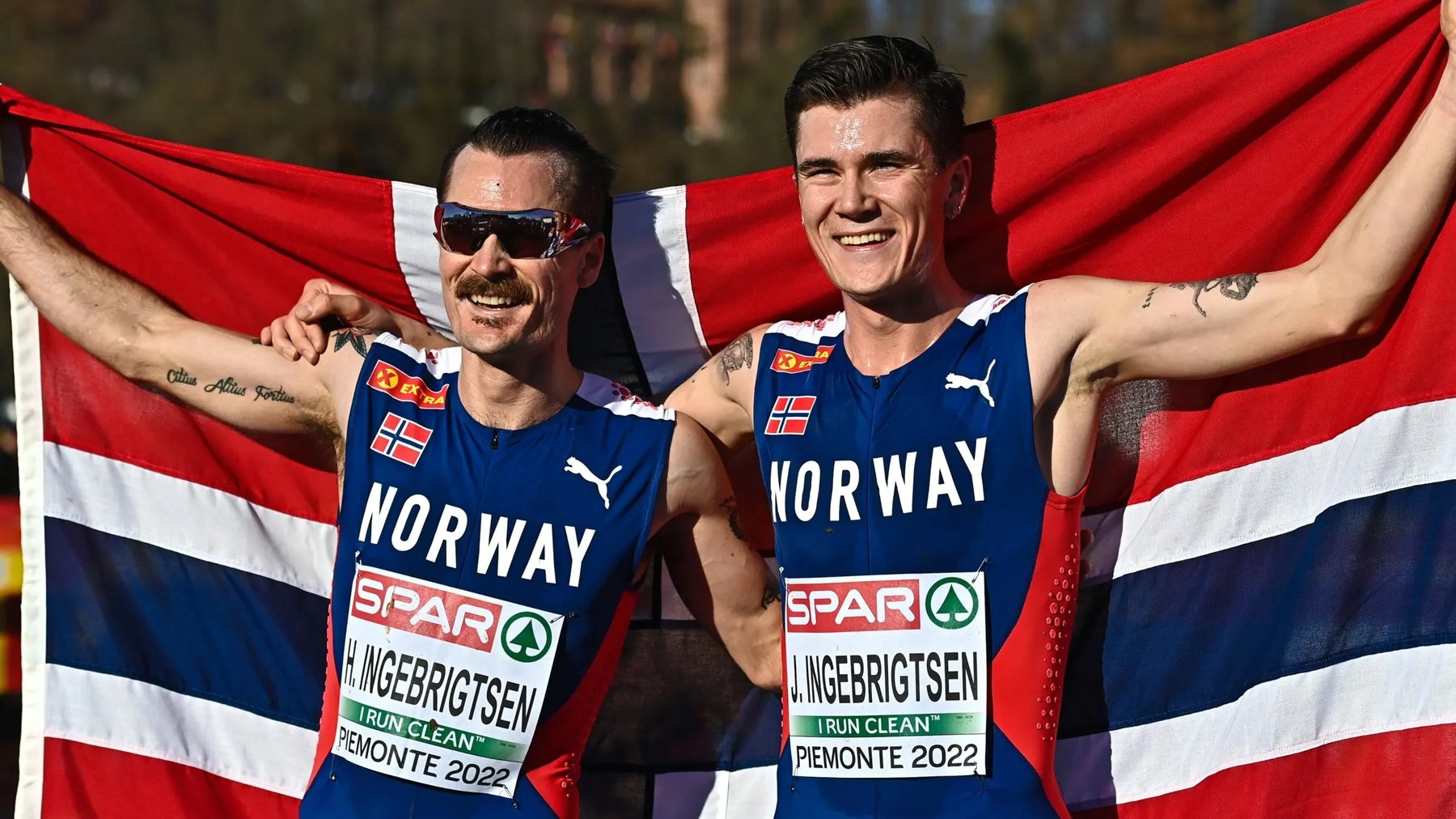
So social media is full of people posting their lactate meters, their double-day threshold workouts, and "kept my lactate under 3.0 mmol today." Add Jakob Ingebrigtsen crushing the field on the track, plus the fact that all three Ingebrigtsen brothers have won European 1500m titles, and the method has been hyped into practically the right answer for modern endurance training.
What's interesting is that while the whole world was staring at the Norwegians' lactate meters, another road to success had been there all along.
On the other side of the world, Kenya, Ethiopia, and Uganda have been turning out the world's best middle- and long-distance runners for decades. They don't have complicated monitoring gear, and they rarely rely on lactate data. What they have is fartlek on red-dirt roads with a big group, rhythm adjusted by feel, and high-quality sessions that come out of pushing and pulling each other along. No precision instruments, and they've run world records again and again.
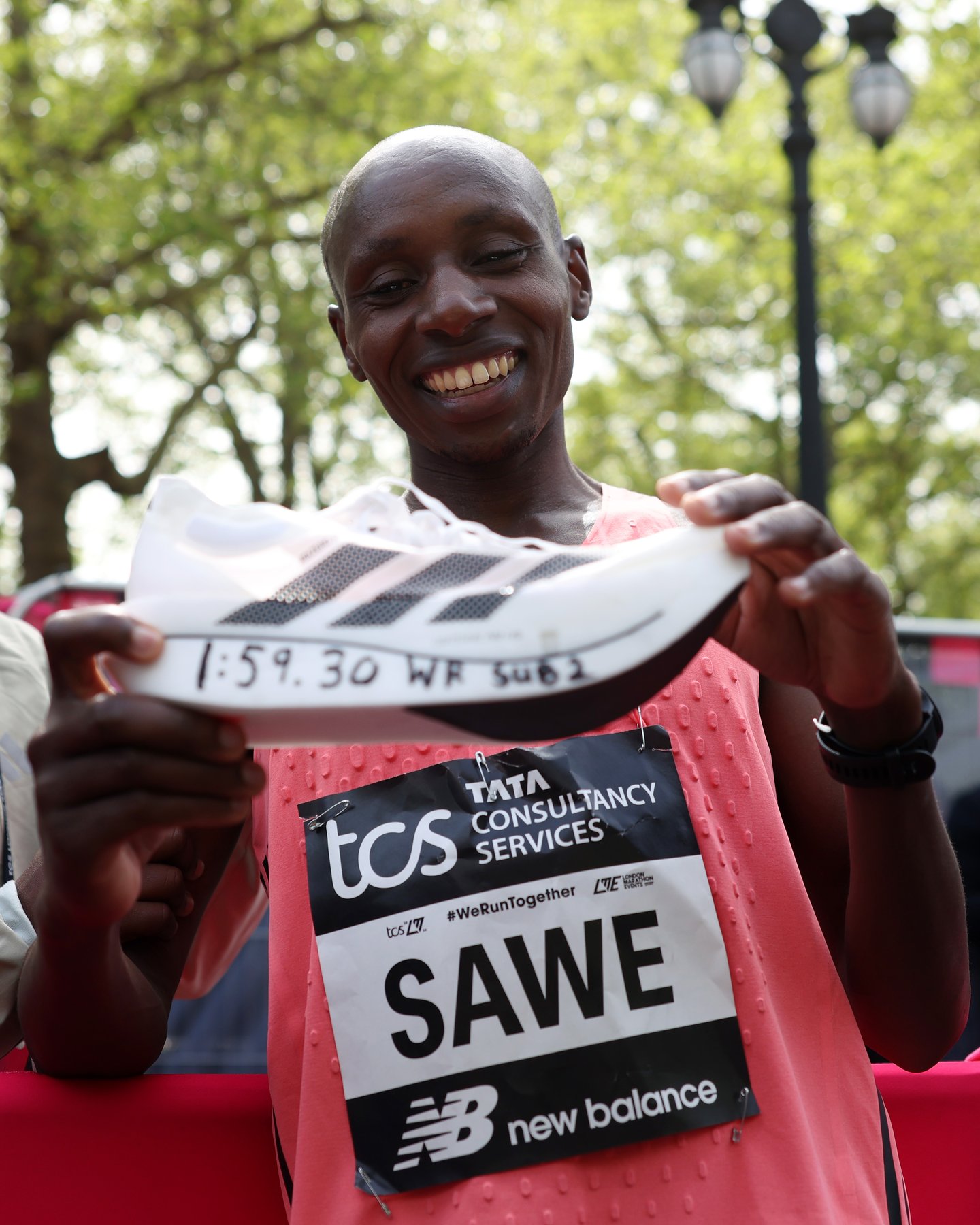
Which raises a question. One system is all about precise control, the other is all about loose, constant variation. Two methods about as far apart as they could be, and both produce the best in the world. Which one is right?
Recently, a research team from Greece and Jordan published a conceptual review in Frontiers in Physiology. For the first time, it put the Norwegian and East African models in the same framework and compared them systematically, from training philosophy and intensity control to physiological mechanisms. My biggest takeaway after reading it: what the review really wants you to rethink is why different paths can all lead to the top.
The Norwegian Model: Making Threshold Work Frequent, Low-Fatigue, and Routine
A lot of people assume the double-threshold routine itself is the heart of the Norwegian model. The real key is the concept behind it: threshold density, piling up as much training as you can close to lactate threshold (LT) within a week.
How do they pull it off? Three key pieces.
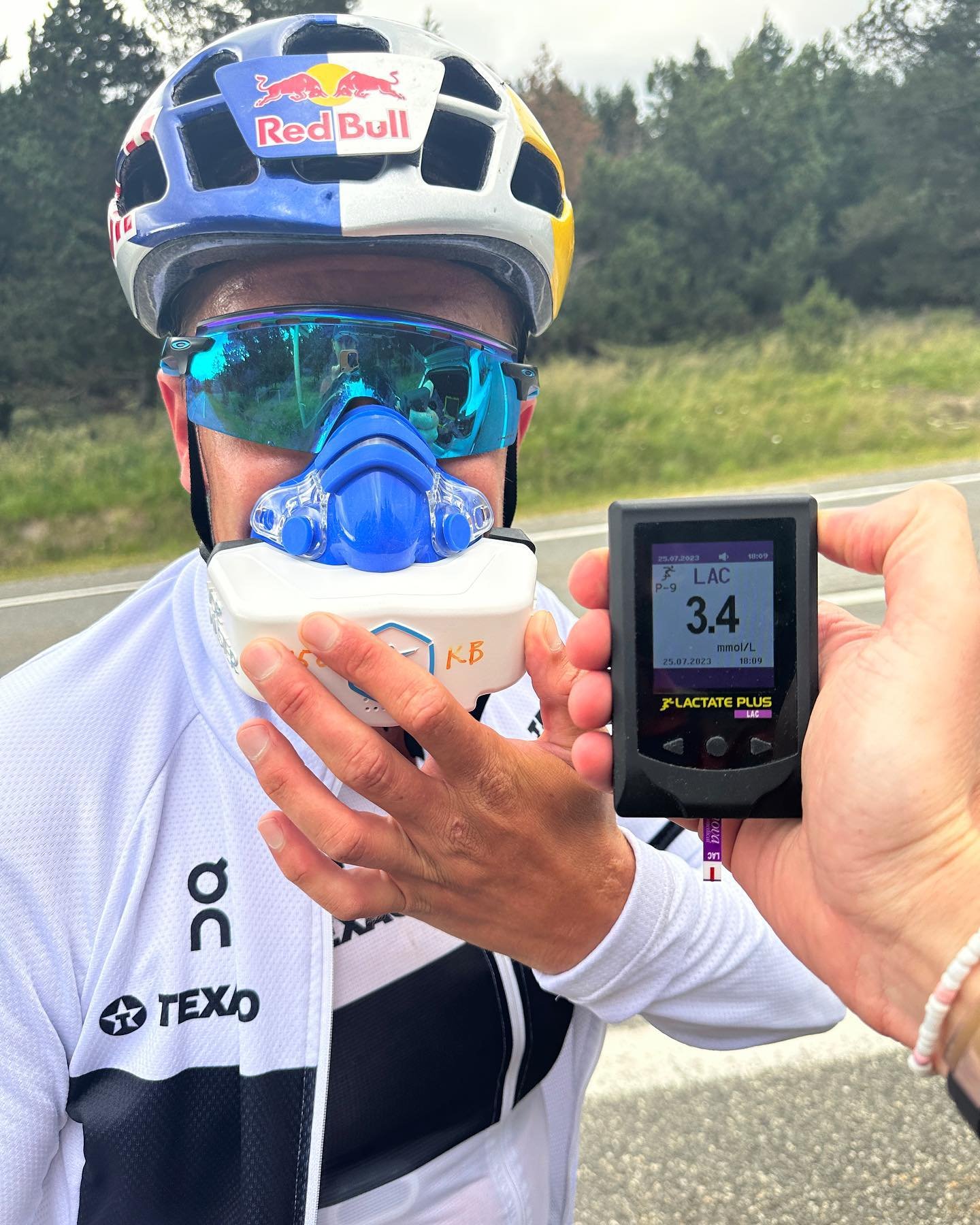
First, using lactate to control intensity. Norwegian athletes don't go by pace or heart rate. They actually prick a finger or an earlobe to measure blood lactate and clamp training intensity at about 2–4 mmol/L, right around threshold but in the spot where it's still sustainable and nowhere near blowing up.
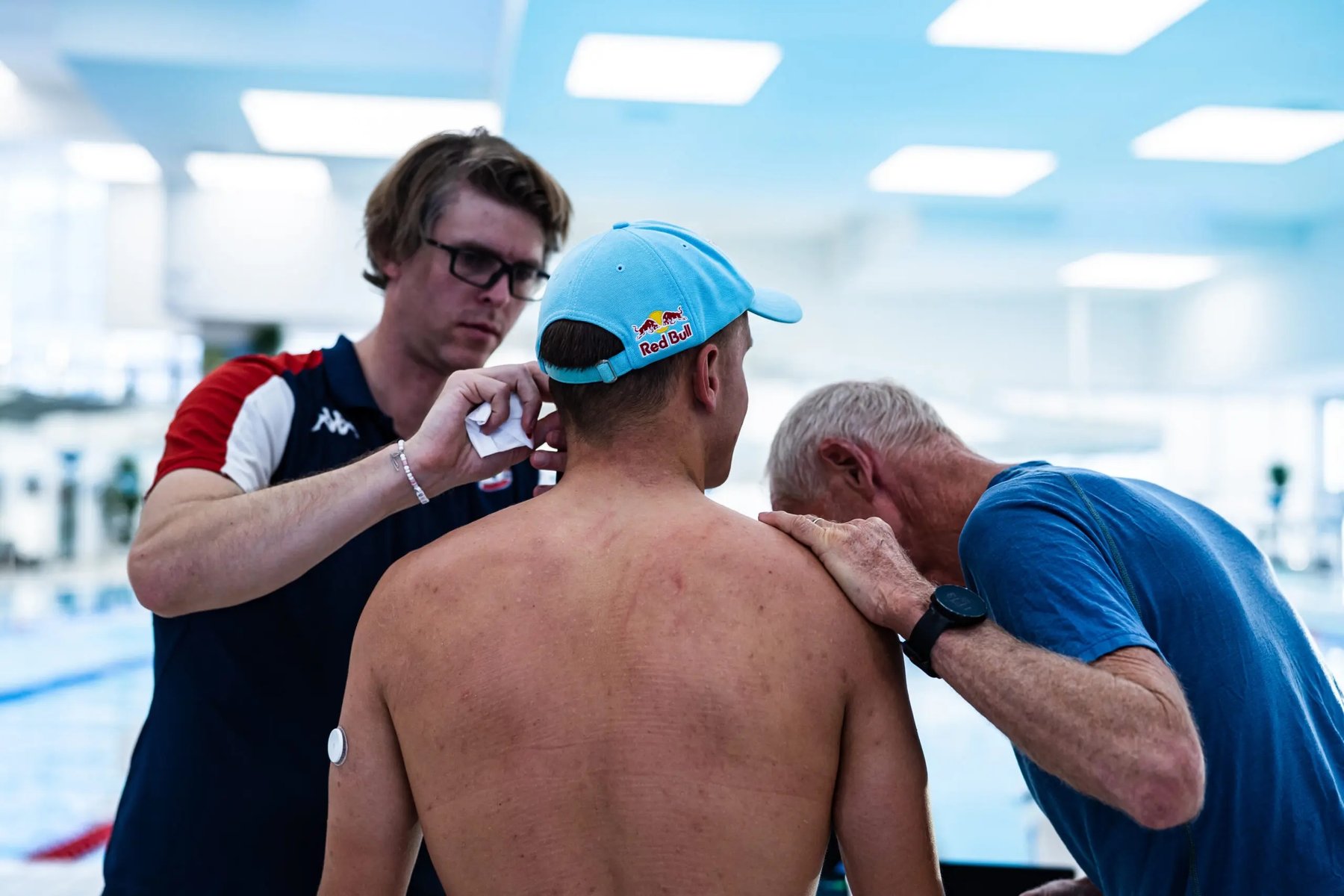
Second, double threshold. One session in the morning and one in the afternoon, both at threshold. Mornings are often long intervals (like 5×6 minutes or 3×10 minutes, with lactate sometimes held under 2.5 mmol), and afternoons switch to shorter ones (like 10–12×1000 m or 25×400 m, with only 30 to 60 seconds of rest between reps). In the race-prep phase, there are two of these double-threshold days a week.
Third, a big base of low-intensity work. This is the part most people miss. Norwegian elites run about 160 km a week, peaking at 180 to 200 km during race prep, and actual threshold work makes up only 15–25% of that. The vast majority is easy aerobic running. High intensity (the VO2max kind) usually gets one session a week, and they use it sparingly.
In other words, the essence of the Norwegian model is precise control of internal load, so you can hit threshold over and over, often and with low fatigue, without running yourself into the ground.
The East African Model: No Lactate Testing, Still Training at the Edge of Threshold
Now look at East Africa.
East African runners put in huge weekly volume too (often 100 to 160 km in Kenya and Ethiopia, 10 to 14 sessions a week, two a day), and that part looks a lot like Norway. But the way the training is organized is a different world.
Their keyword is variability. Most training happens in a group, and nobody dictates the pace. It just comes out of the group: someone surges, everyone follows; the terrain rolls, and the speed changes with it. The classic fartlek session keeps mixing pace changes into a continuous run, so a single session blends aerobic cruising with surges up near LT or even vVO2max.
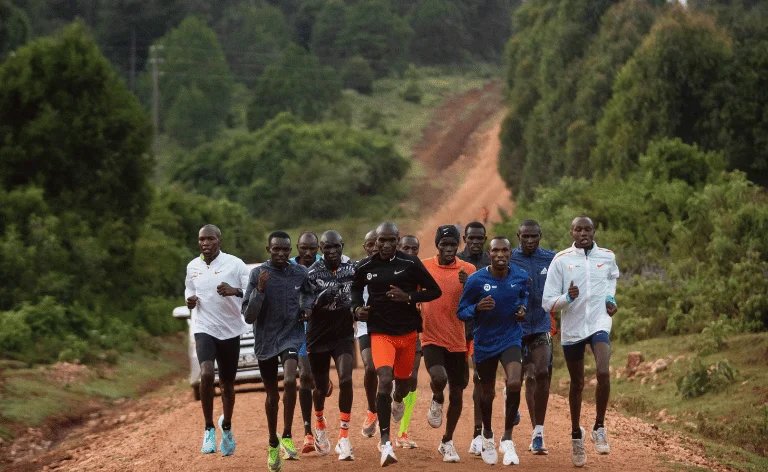
They do structured work too (like 200 m at about 120% of vVO2max, or 45- to 70-minute tempo runs), but more often the intensity is implicit. The review calls it implicit threshold exposure. The idea is that they don't test lactate, but between the group dynamic and the rolling red-dirt roads of the Rift Valley at 2,100 to 2,900 m of altitude, they're actually running near threshold all the time. They just never set out to measure it.
One number really stands out. With similar amounts of low-intensity training, East African runners log a higher share of training above 80% of VO2max than non-East African athletes. In other words, they have no precision instruments, and they end up doing more high-intensity work. It comes from feel, the group, and the terrain.
The Fundamental Differences at a Glance
| Aspect | East African model | Norwegian model |
|---|---|---|
| Training organization | Variability-driven, group-based | Structured, physiologically monitored |
| Intensity control | Implicit, by internal feel | Explicit, lactate-guided |
| Session types | Fartlek, progression runs, group runs | Structured threshold intervals |
| Pacing | Variable, built on surges | Steady, reproducible |
| Lactate monitoring | Almost never | Frequent |
| Physiological emphasis | Adaptability, varied muscle-fiber recruitment | Metabolic efficiency, lactate regulation |
| Durability angle | Toughness under shifting loads | Efficiency at steady submaximal effort |
In one line: the Norwegian model chases stability and reproducibility; the East African model thrives on variation and randomness.
Physiologically, What Kind of Athlete Does Each One Build?
This is the part I think coaches should spend the most time on.
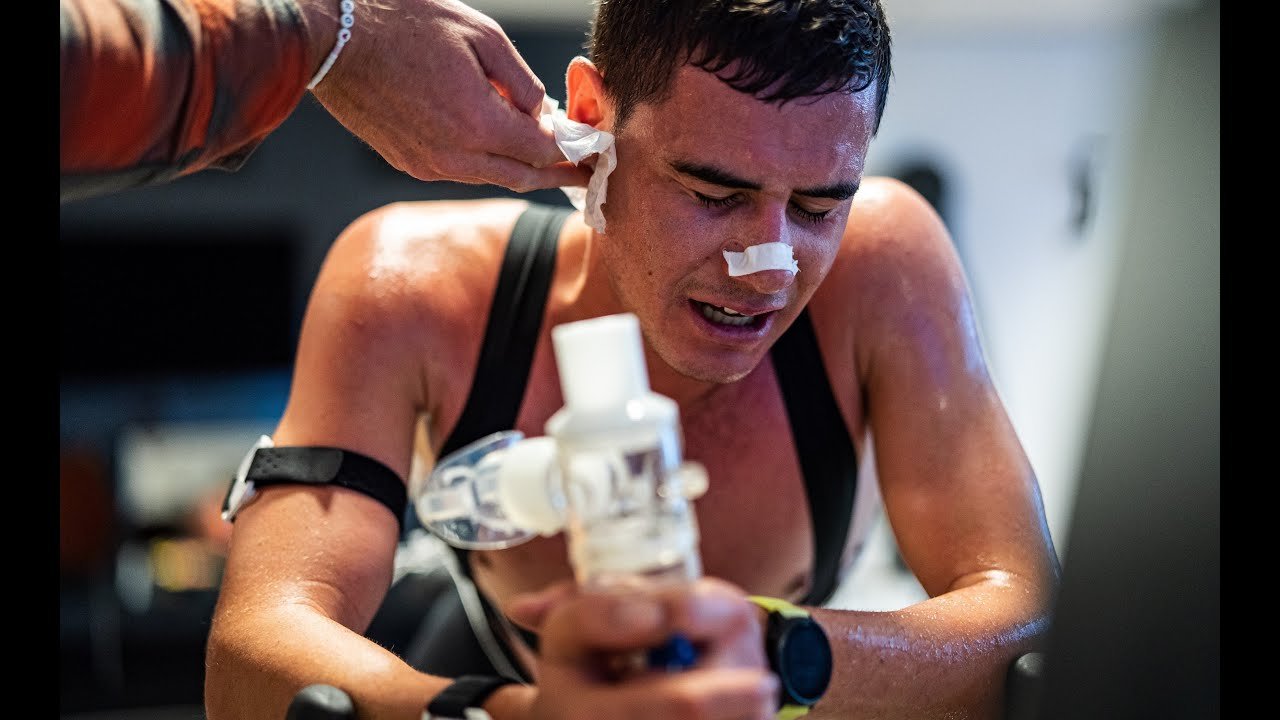
Norway's threshold density stacks up a huge amount of stimulus right around LT, over and over, so what it mainly builds is better metabolic efficiency, stronger lactate clearance, and durability at steady state (durability being the ability to keep your physiological efficiency from slipping over a long effort). Put simply, it lets you go longer on the same effort and fade more slowly.
East Africa's variability-driven approach keeps changing the intensity and the terrain, so what it mainly builds is broader muscle-fiber recruitment, better neuromuscular adaptation, and tolerance for pace changes. Put simply, it makes you better at handling sudden surges, tactical moves, and the back-and-forth of a race.
See it? These two aren't fighting over who's right. They're training two different pieces of the endurance puzzle. One trains steadiness, the other trains change. And a real race happens to need both.
So How Should Age-Groupers Actually Use This?
Elite athletes can take one system to the extreme because they have a team, altitude camps, and a physiologist pricking their fingers. Most of us age-groupers are juggling work and family, with training squeezed into scattered pockets of time. For us, I think this review comes with three very practical reminders.
First, don't treat double threshold as a magic pill you can copy and paste. A lot of people only pick up the surface move, threshold work twice a day, and miss the preconditions: a huge base of low-intensity mileage underneath, and the ability to hold intensity precisely at 2–4 mmol. Without that low-intensity base, and without a lactate meter (or at least a very accurate sense of effort), forcing double threshold usually gets you something that hardly counts as threshold density. It's more like doing a slightly-too-hard session every day. Then the fatigue piles up, and then you get hurt. That's the most common trap.
Second, you can mix and match elements of both systems based on what you need. You don't have to pick one. That's also the core point of the review's practical applications section. If your athlete has a good aerobic base but blows up whenever the pace changes, or fades late, they need more of the East African stuff: progression runs, fartlek, and variable-intensity long runs over rolling terrain. On the flip side, if your athlete's metabolic efficiency is poor and they're simply breathing harder than everyone else at the same pace, they need more of the Norwegian stuff: controlled threshold intervals to grind out that economy. Figure out what the athlete is missing first, then decide which system to lean on.
Third, and most important: tools aren't a religion. A lactate meter is really useful, but it's a tool for confirming intensity. It isn't the training itself. East Africans have proven that even without any instruments, the right environment, the right atmosphere, and a good feel for pace can still get you to the top of the world. Anyone who knows me knows I've always believed that data matters, but you can't let data hijack training common sense.
Back to the question I started with: is Norwegian double threshold really magic?
I like the answer this review gives. There's no single best model for endurance performance in the first place. You can reach the top by more than one road. The Norwegians got there through precision. The East Africans got there by feel. What decides success is whether you've figured out which piece you (or your athlete) are missing, and then honestly fill it in. Which "textbook" you copied matters less than you'd think.
This is a conceptual review. Nobody ran a controlled experiment. A lot of its inferences come from observational and descriptive research, so they can't establish strict cause and effect. And East African success is about much more than training: altitude, genetics, how people live from childhood, and culture are all mixed in. So don't blow any one system out of proportion.
So don't rush to believe any one "right answer." That includes this article.
References: Grivas, G. V., Alkasasbeh, W. J., Trigonis, I., Karakatsanis, K., & Amawi, A. T. (2026). Training variability and threshold density: a conceptual comparison of East African and Norwegian endurance training systems. Frontiers in Physiology, 17, 1878492. https://doi.org/10.3389/fphys.2026.1878492