I coach triathletes and runners with power. Every plan starts from sports science and your own numbers, then gets shaped around your goal, your current fitness and the week you actually have, so the hours you can train go where they’ll pay off.
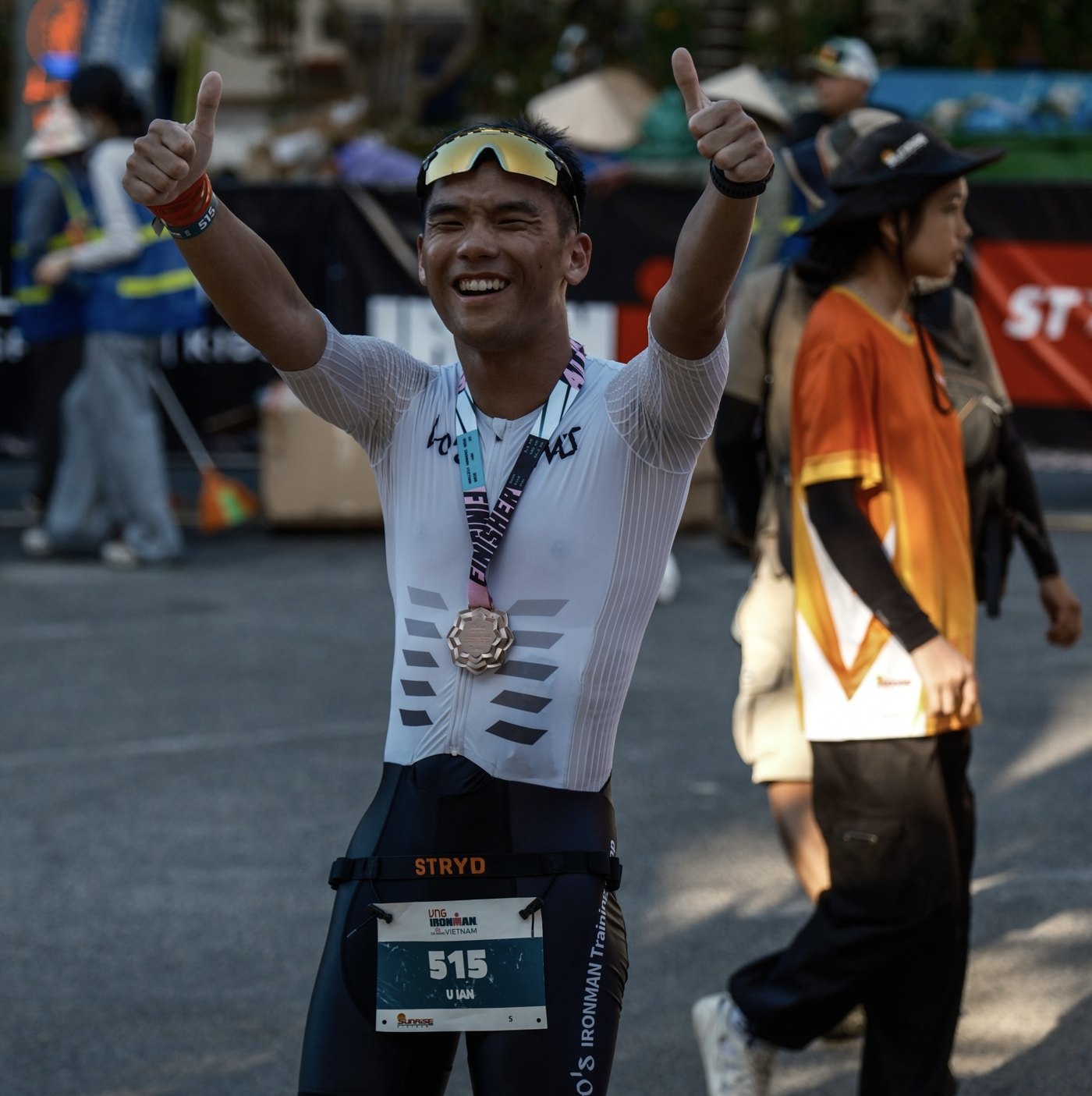
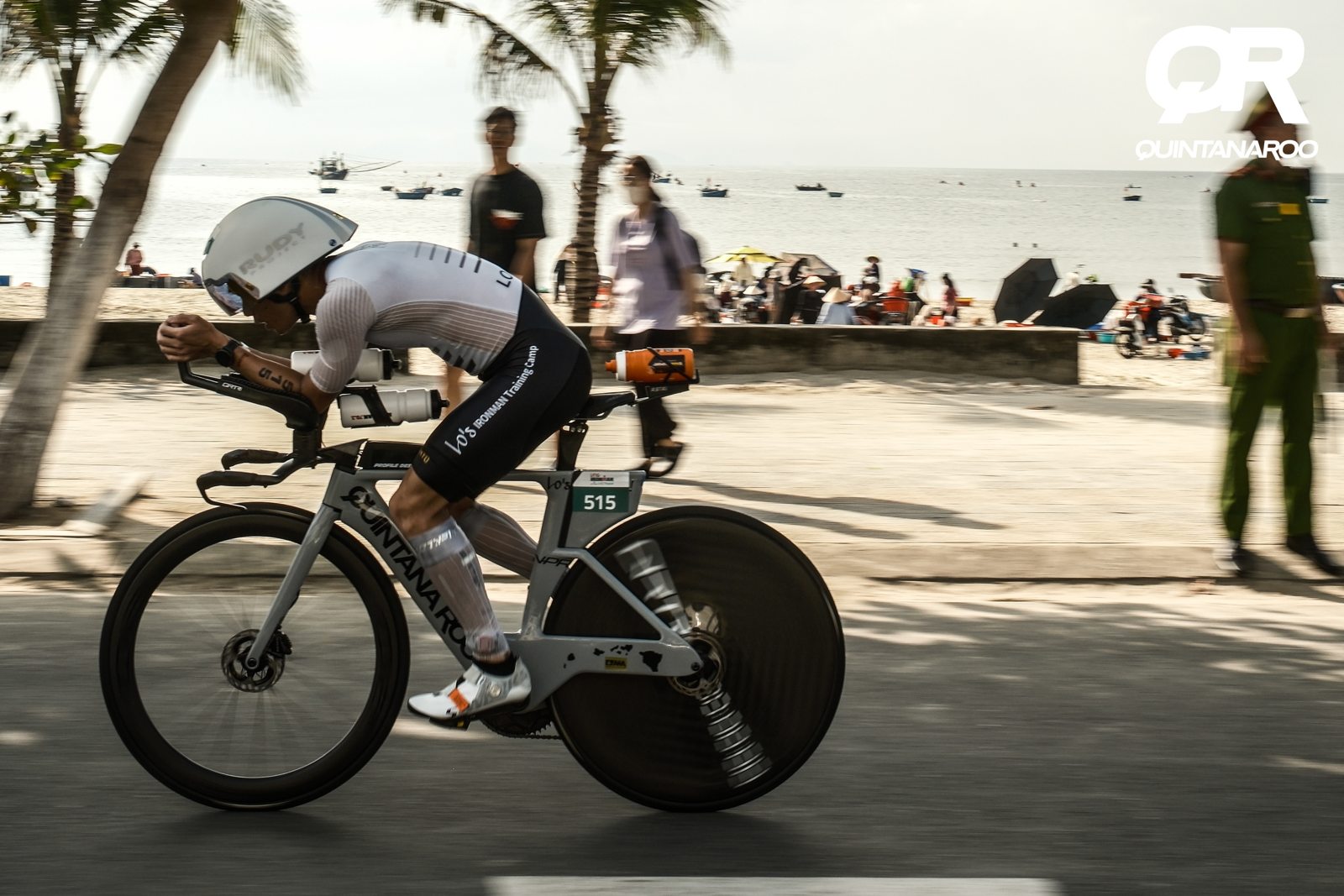
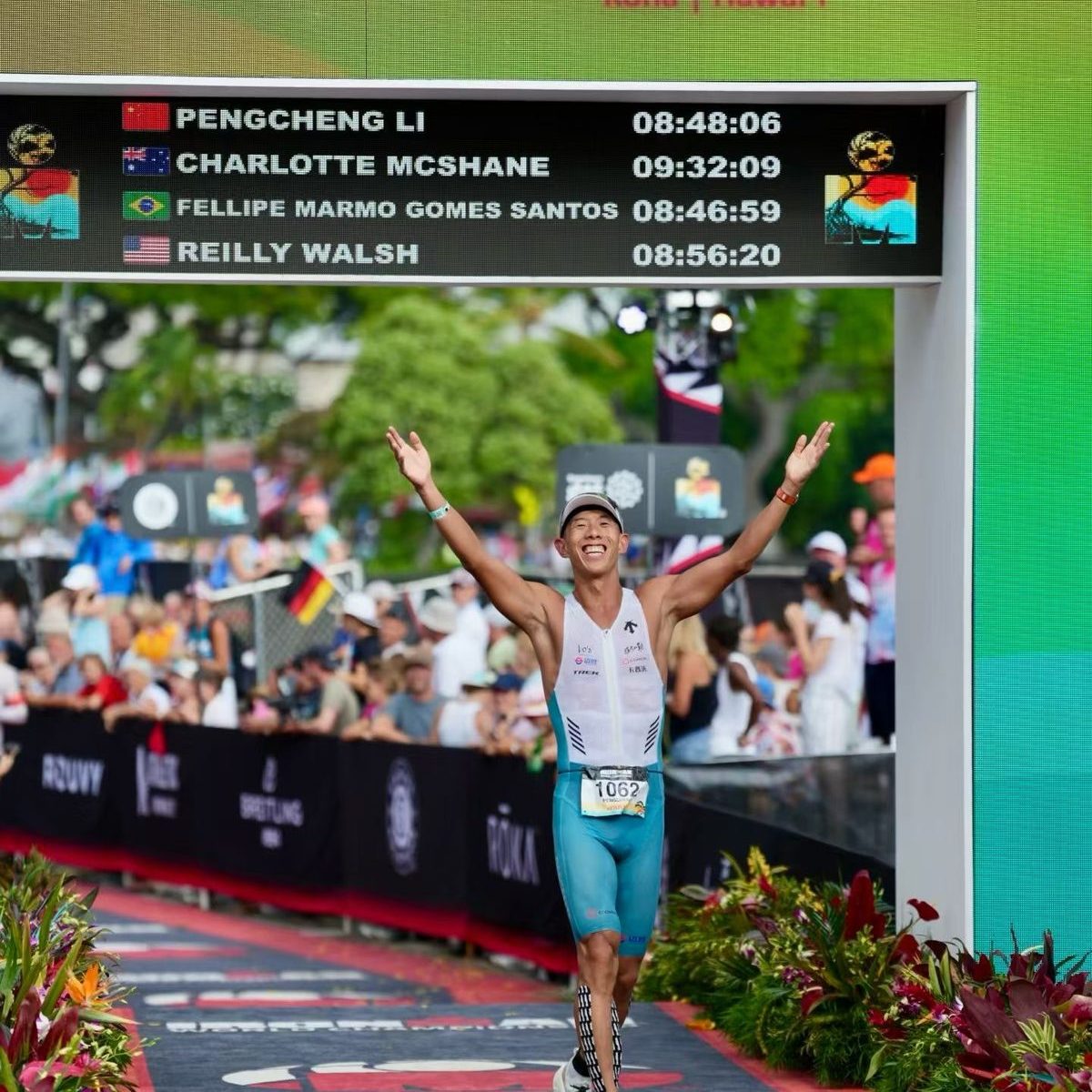
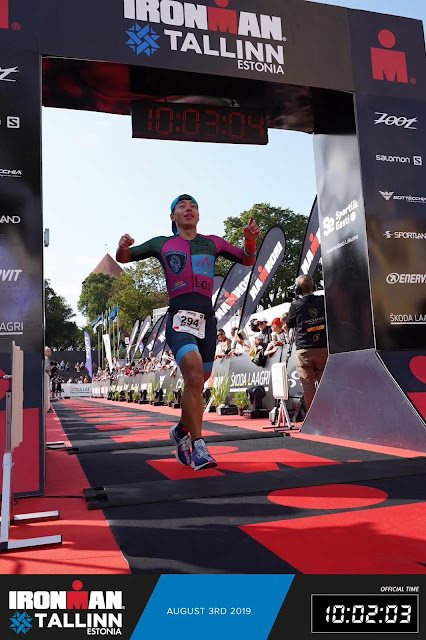
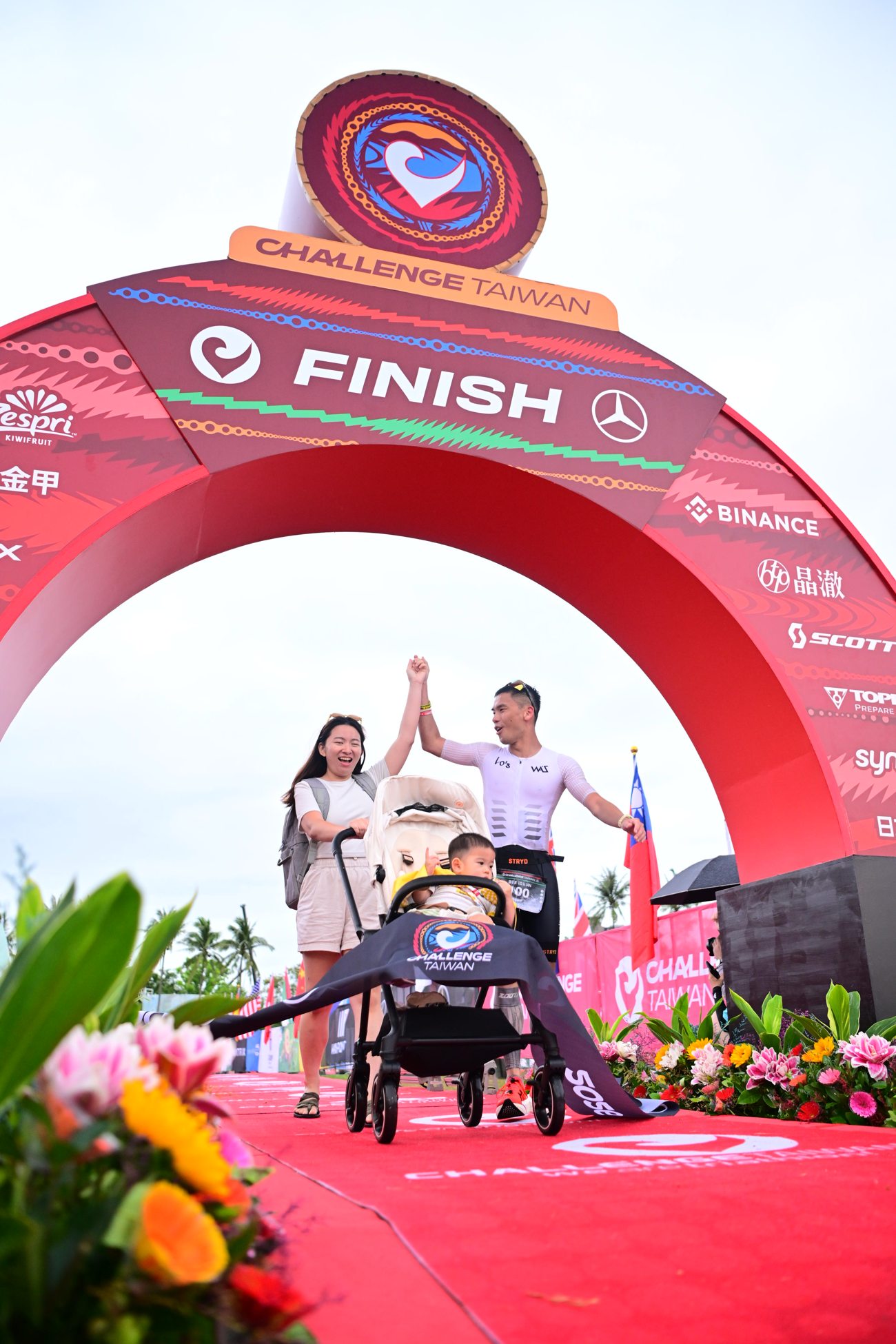
I’m Lo U Ian (羅譽寅), a triathlon and marathon coach and co-founder of the running analytics platform RunningQuotient. I coach one athlete at a time, across Taiwan, Hong Kong, Macau and mainland China: first-timers, age-groupers chasing a slot, and pros.
Good training comes down to three things: sports science, honest data, and a plan written for one person. Talent and a good day only take you so far. Whether you’re after a Kona slot, a PR, or a first triathlon you finish in one piece, I start with where your training actually is and how many hours you can honestly find in a week. Everything else follows from that.
Full bio: certifications, books, race results and interviews →
A breakthrough doesn’t take unlimited time.
It takes putting the hours you already have
exactly where they belong.
Lo U Ian · Head Coach, Lo's Coaching

IRONMAN and 70.3 are about as demanding as endurance racing gets, and racing away from home adds a whole layer of unknowns. We build the course plan and the power strategy together: how to handle a climate you aren’t used to, what to rehearse in training first, and the exact pacing targets for the bike and the run. That takes the guesswork out of race morning, so all that’s left is execution.
I’ve been studying and coaching running power since 2016, and I was one of the first coaches in the Asia-Pacific region to earn STRYD Run with Power Level 2. One of my athletes trained with a power meter and went 9:01:29 at the 2019 IRONMAN World Championship in Kona. He paced it well enough to run a 3:05 marathon off the bike, moving from 21st to 5th in his age group and becoming the first Chinese athlete to stand on an IRONMAN World Championship podium.
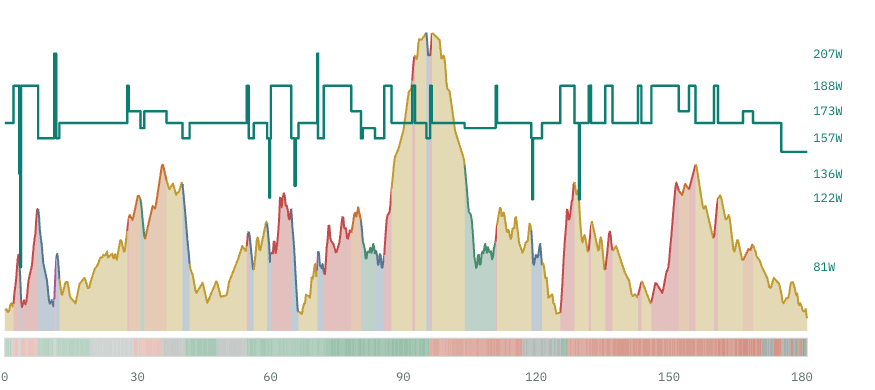
Same FTP, different course, and the right watts change on every segment. I built AeroPacer to do that math. Pick a course, enter your FTP and weight, and it sets target power segment by segment, folds in race-day wind and temperature, and sends the plan to your head unit. It has 211 real courses built in, and across 60 real race files the median bike split error comes in around 2%.
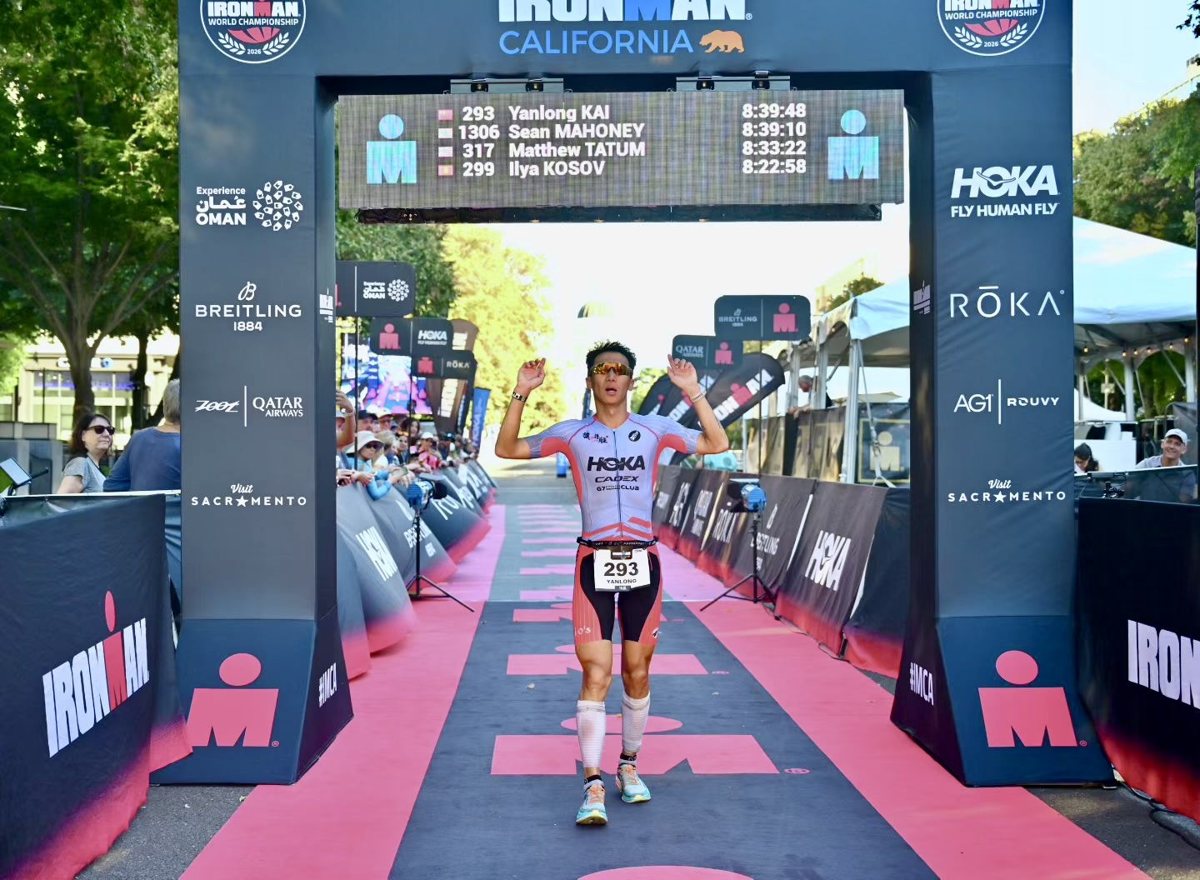
I still race. At Challenge Taiwan 2026, full distance (226 km), I went 09:15:17 for a PR and 2nd overall. At IRONMAN Austria 2023 I qualified for the World Championship and finished the year as a Gold All World Athlete. All race results →
Each discipline gets its own periodized progression built from your data, and then all three get built into one week that actually fits together.

Stroke work and pacing together, so you come out of the water with something left.
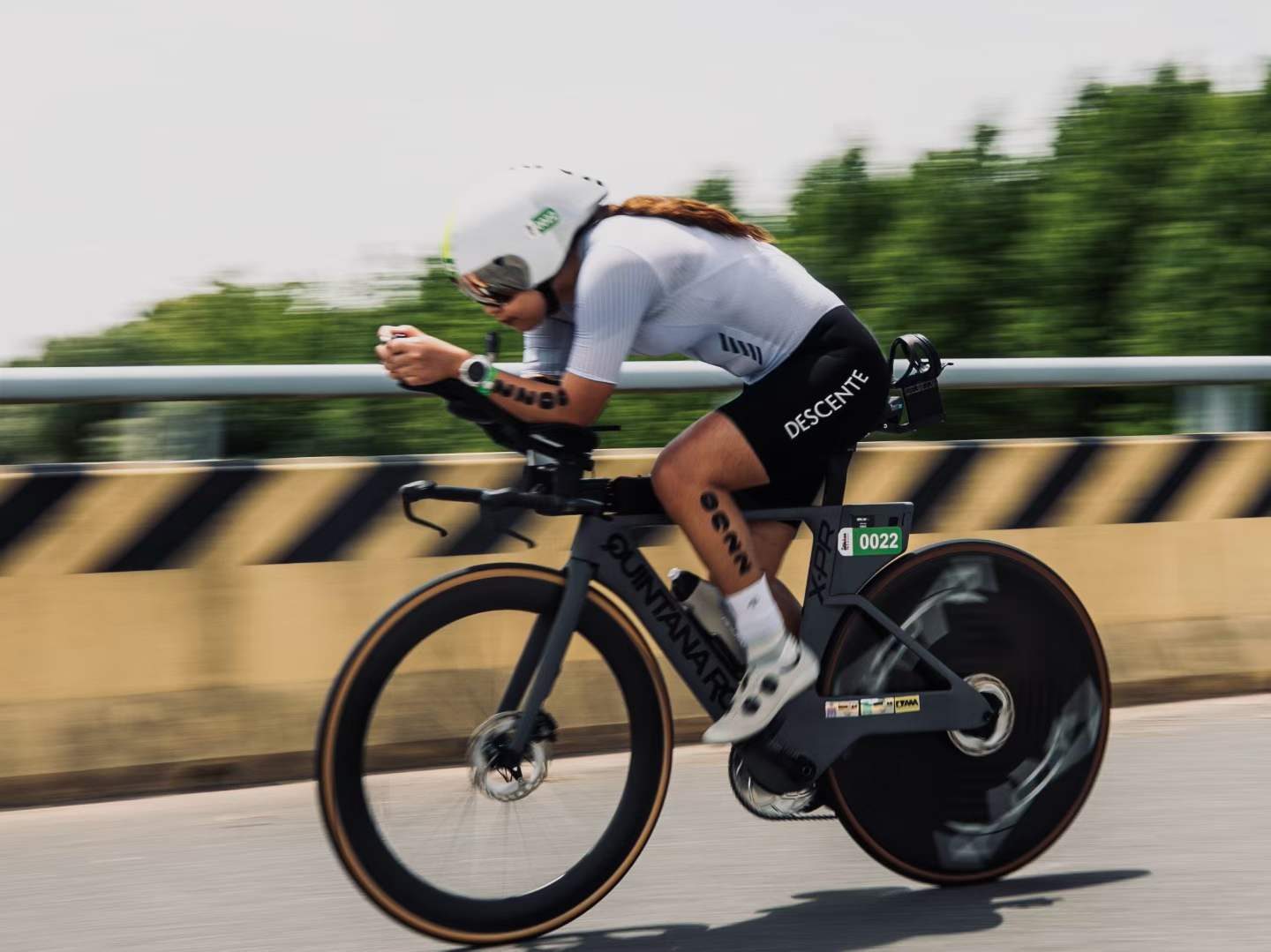
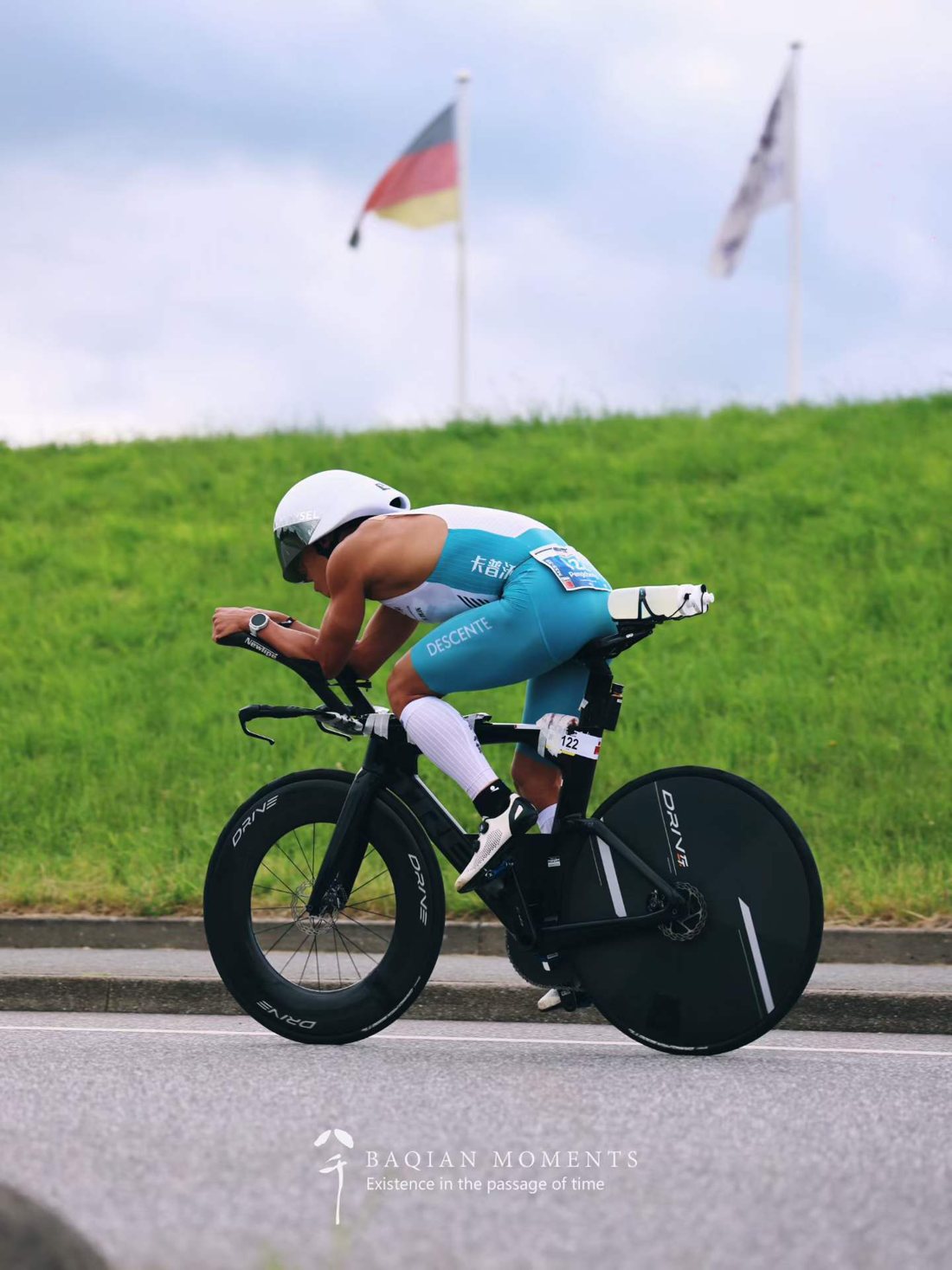
Power to keep your intensity honest and your race pacing exact.
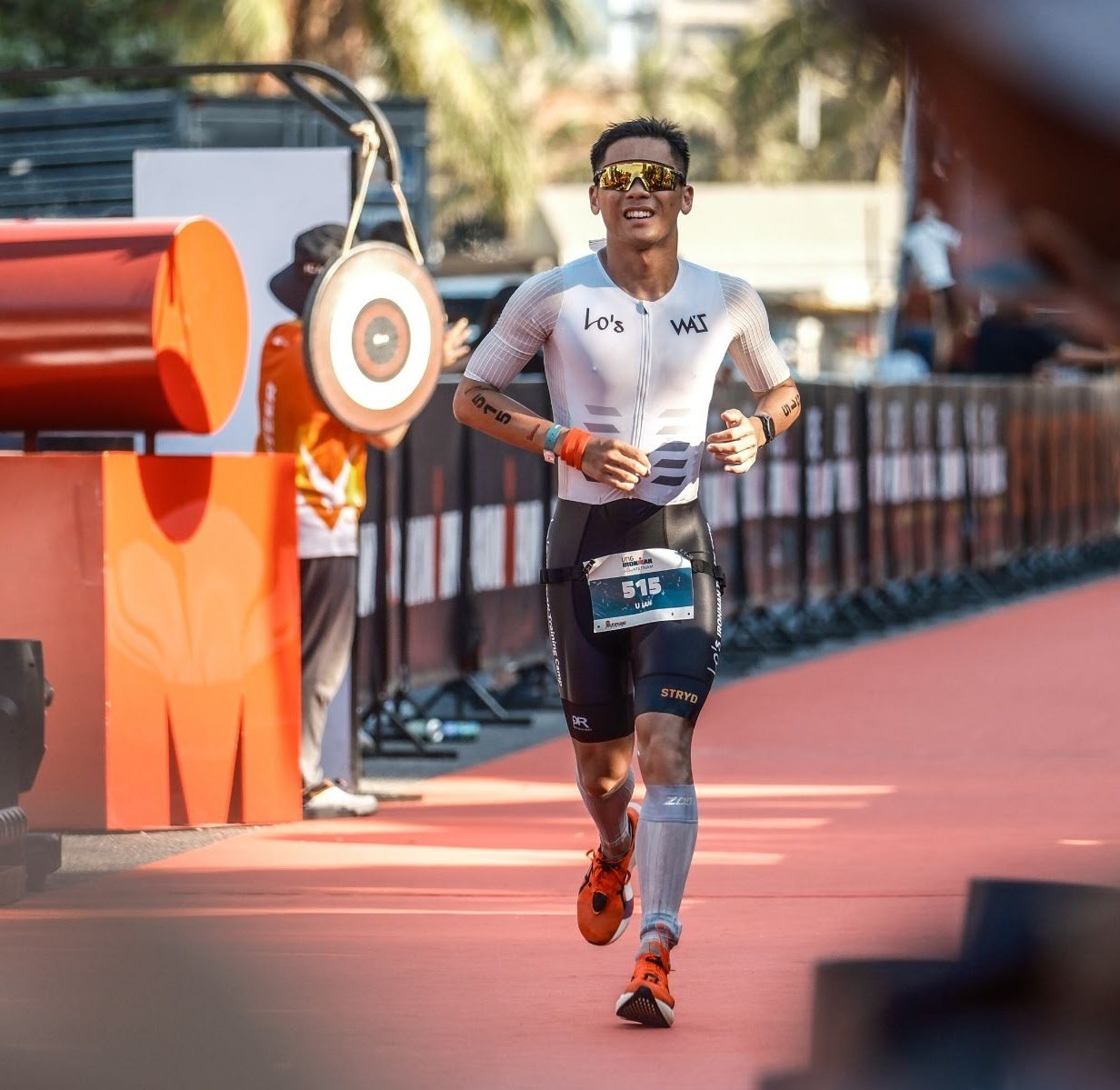
Pace or power to manage what’s left, so the run is where you pass people.
Start with an application. I read every one myself, and we talk before any money changes hands.
There are also one-off data analysis sessions, running form lessons and off-the-shelf TrainingPeaks plans. See every program and price →
Tell me your training background, your target races and what your week really looks like.
I read every application myself, then we talk through where you are and agree on the goal and the direction.
Only after we’ve agreed on the direction, using whichever payment method suits you.
Your week lands in TrainingPeaks, and the plan keeps getting sharper as your feedback comes in.
The things athletes usually want to know before they sign up, and how we actually work together.
Let’s start with where your training actually is today. First finish line or World Championship podium, same process.
Join more than 7,000 people who follow my training weeks and race reports.