Triathlon and marathon coach,
co-founder of RunningQuotient.
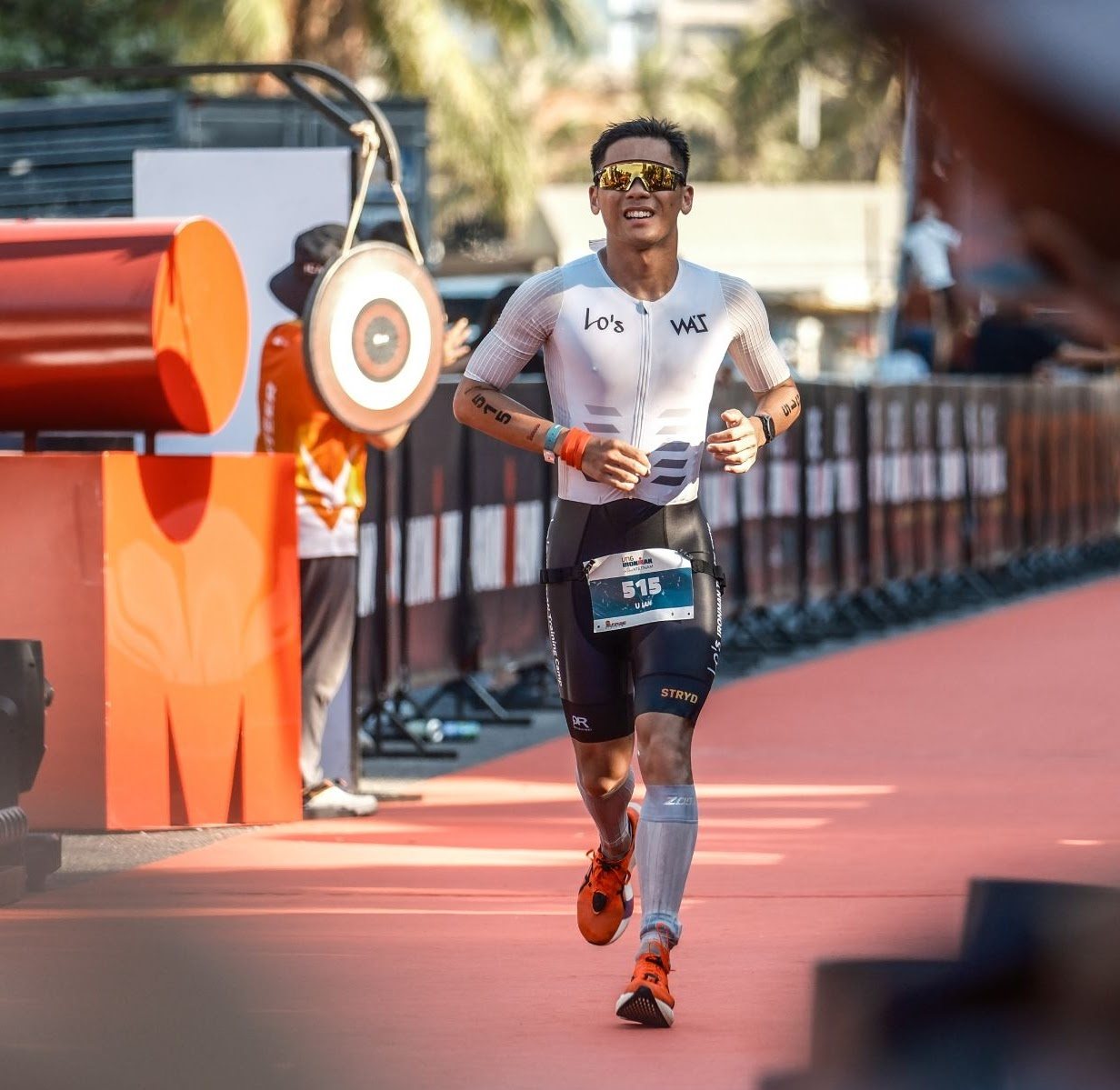
Lo U Ian (羅譽寅) grew up in Macau and moved to Taiwan for university, where he has lived since. He coaches triathlon and marathon full time, heads up Lo's Coaching , his online 1-on-1 service, and co-founded the running analytics platform RunningQuotient . He also founded AeroPacer, a power pacing tool for the triathlon bike leg. He has been coaching since 2016 and has worked with more than 100 athletes one at a time. Over 20 of them have qualified for the IRONMAN World Championship, three have broken 9:00 at the full distance (226 km), and several have gone under 4:30 at 113 km. He is an IRONMAN® Certified Coach and one of the first coaches in the Asia-Pacific region to earn STRYD Run with Power Level 2.
Training that works is built on sports science and honest data, then written for one athlete. Talent and a good day only take you so far. Kona slot, new PR, first triathlon you want to finish in one piece: whichever it is, a precise prescription with a system behind it beats guessing, and it gets there faster.
I have a family and a business to run, so I know exactly what “not enough time” feels like. On weekdays I train in the window after the school drop-off, and two hours is a luxury. When there’s no time to waste on junk work, every session has to earn its place: where the zones came from, why this interval set sits on this day, and how much accumulated fatigue means it’s time to back off. I can explain all of it.
I coach and race at the same time. Around work and family, I’m still setting PRs and still getting on podiums. Everything I figure out doing that becomes your shortcut: the fastest way to get the most out of the training time you actually have.
After years of this, the athletes who go furthest are almost always the ones who find a balance between work, family and their own ambition. So my job is bigger than writing the plan. It’s keeping you improving inside the life you already have, so that when you get to the start line and cross the finish, everything that matters most is still intact.
My goal is to coach a Chinese endurance athlete all the way to the top in my lifetime, onto an Olympic or World Championship podium.
Here’s what the science-based approach has produced since 2016.
Li Pengcheng (李鵬程), who I’ve coached for years, keeps moving the bar. At Kona 2019 he went 9:01:29 and became the first Chinese athlete on an IRONMAN World Championship podium, and he’s been back on that podium three times since: Nice 2023, Kona 2024 and Kona 2026.
Conversations about training, racing and the day job of coaching. All three are in Chinese.

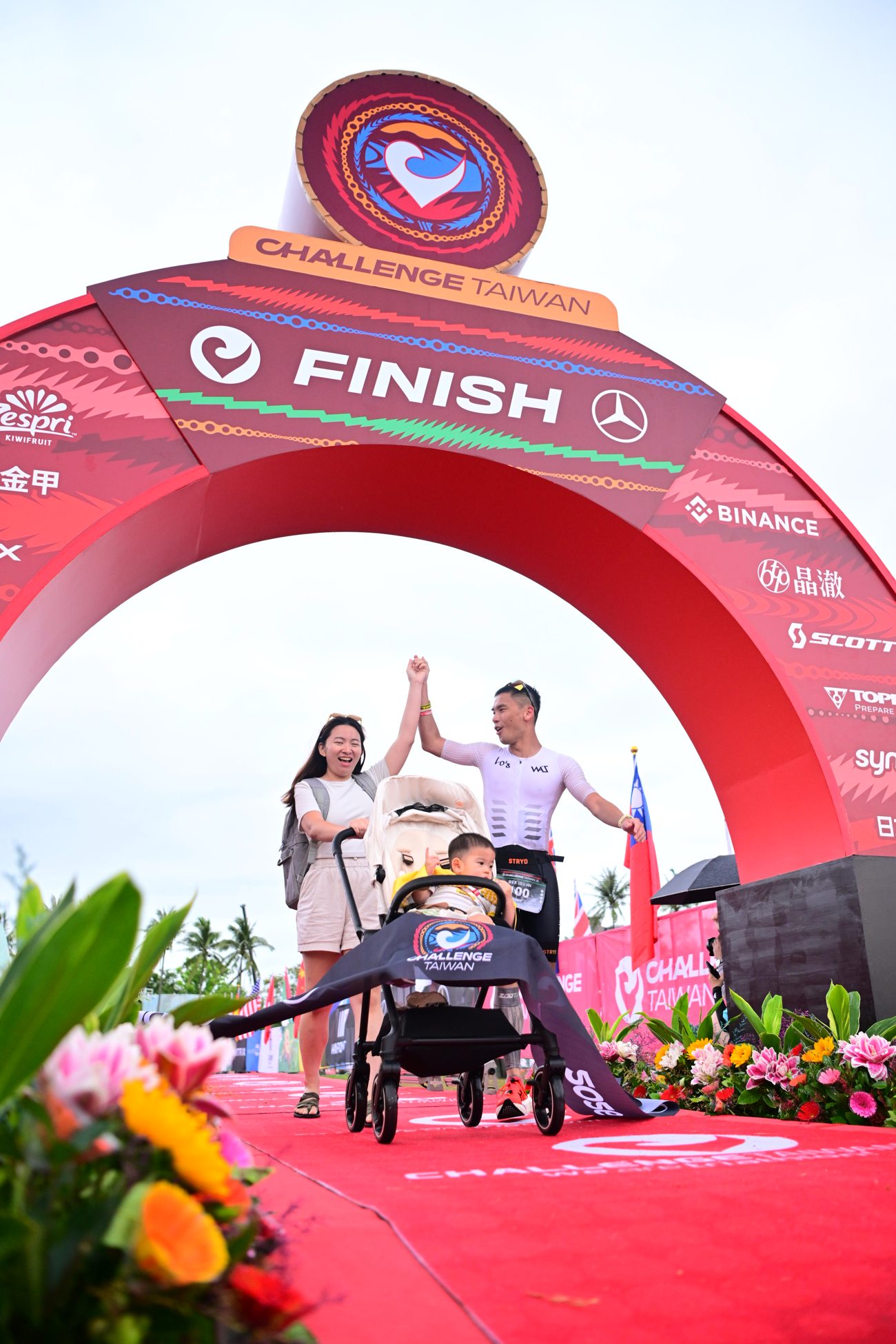
How Challenge Taiwan 2026 played out over 226 km, going 9:15:17 for 2nd overall, what a triathlon coach actually does all day, and where Chinese and Taiwanese triathletes differ from a coach’s seat.

Host Zhao Xinping and I get into moving from Macau to Taiwan, going from a high-school kid who liked running to a running and triathlon coach, and from a sociology major to co-founder of RunningQuotient. Also how writing forced me to actually understand what I’d learned.
The road from a sociology degree to full-time triathlon coaching, how the coaching work grew in China, and the training behind winning Zwift races over and over.
IRONMAN and 70.3 are about as demanding as endurance racing gets, and racing away from home adds a whole layer of unknowns. We build the course plan and the power strategy together: how to handle a climate you aren’t used to, what to rehearse in training first, and the exact pacing targets for the bike and the run. That takes the guesswork out of race morning, so all that’s left is execution.
I’ve been studying and coaching running power since 2016, and I was one of the first coaches in the Asia-Pacific region to earn STRYD Level 2. The athlete who went 9:01:29 at Kona in 2019 trained with a power meter. He spent his energy well on the day, ran a 3:05 marathon off the bike, and moved from 21st to 5th in his age group: the first Chinese athlete on an IRONMAN World Championship podium.
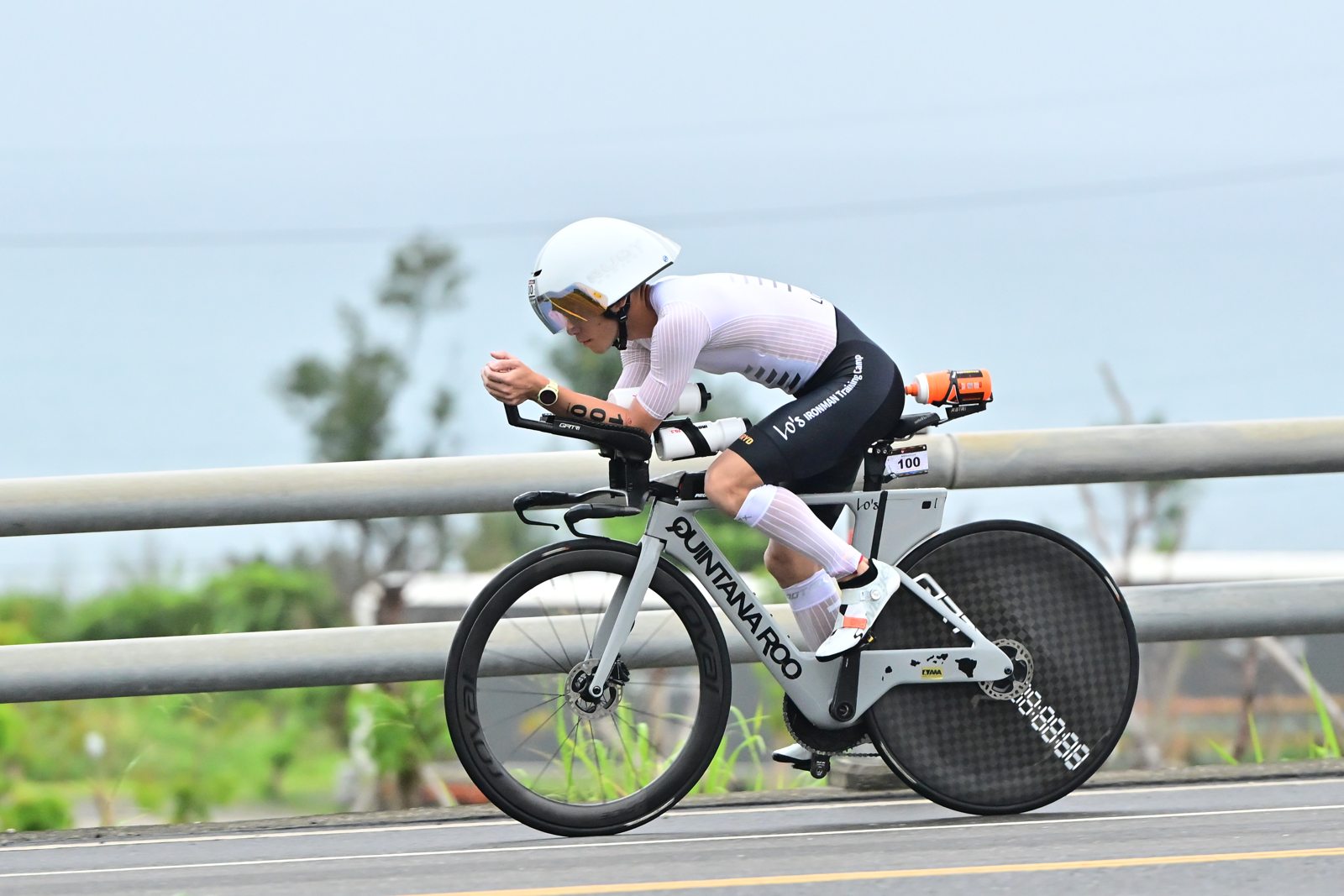
I keep racing, which is how the training system keeps getting tested.
Start with the application form. I read every one myself, then we talk through where you are now and what you’re aiming at. Once we agree on the direction, we get going.
The same information from this page, as quick questions and answers.