"Is it menopause? Is that why training suddenly feels so hard?"
I've heard that from more than one female athlete. They usually say it quietly, almost like a confession, worried it'll sound like an excuse.
For a long time, all I could give them was a vague answer. Then this April a literature review came out that pulled together forty years of research on the question.[1] After reading it, I realized I wasn't the only one who couldn't answer it. Science can't give a definite answer yet either.
"We don't know yet" deserves an article more than any confident number does.
1. Men's Aging Data Goes Back Decades. Women's Is Only Now Getting Pulled Together
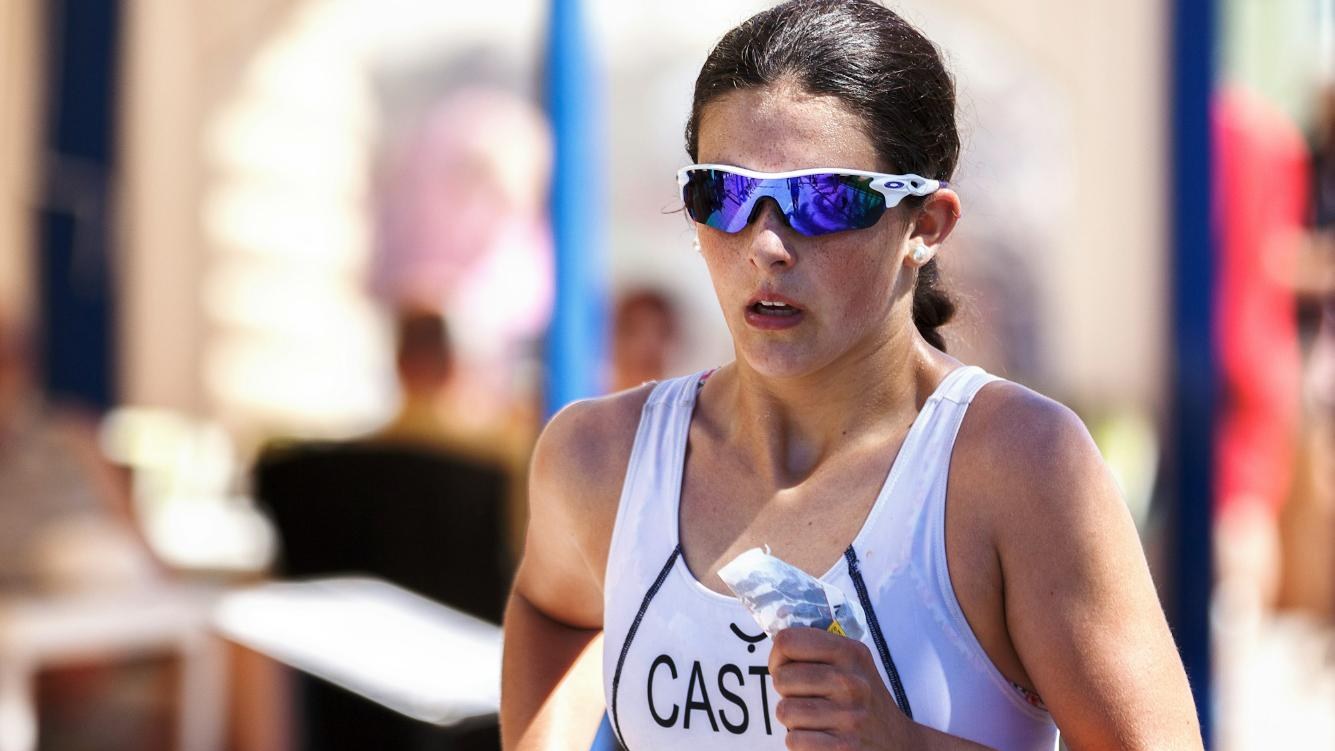
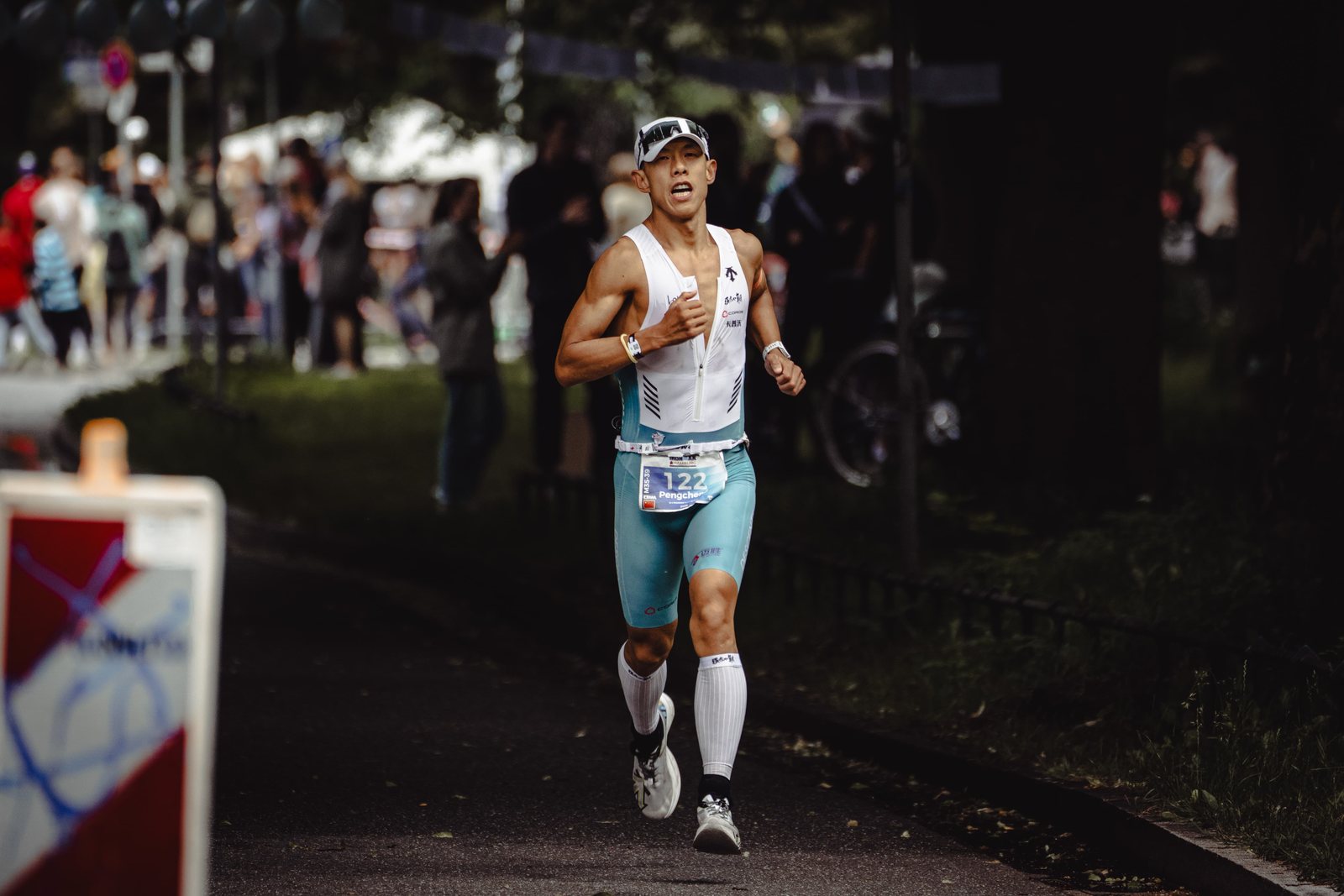
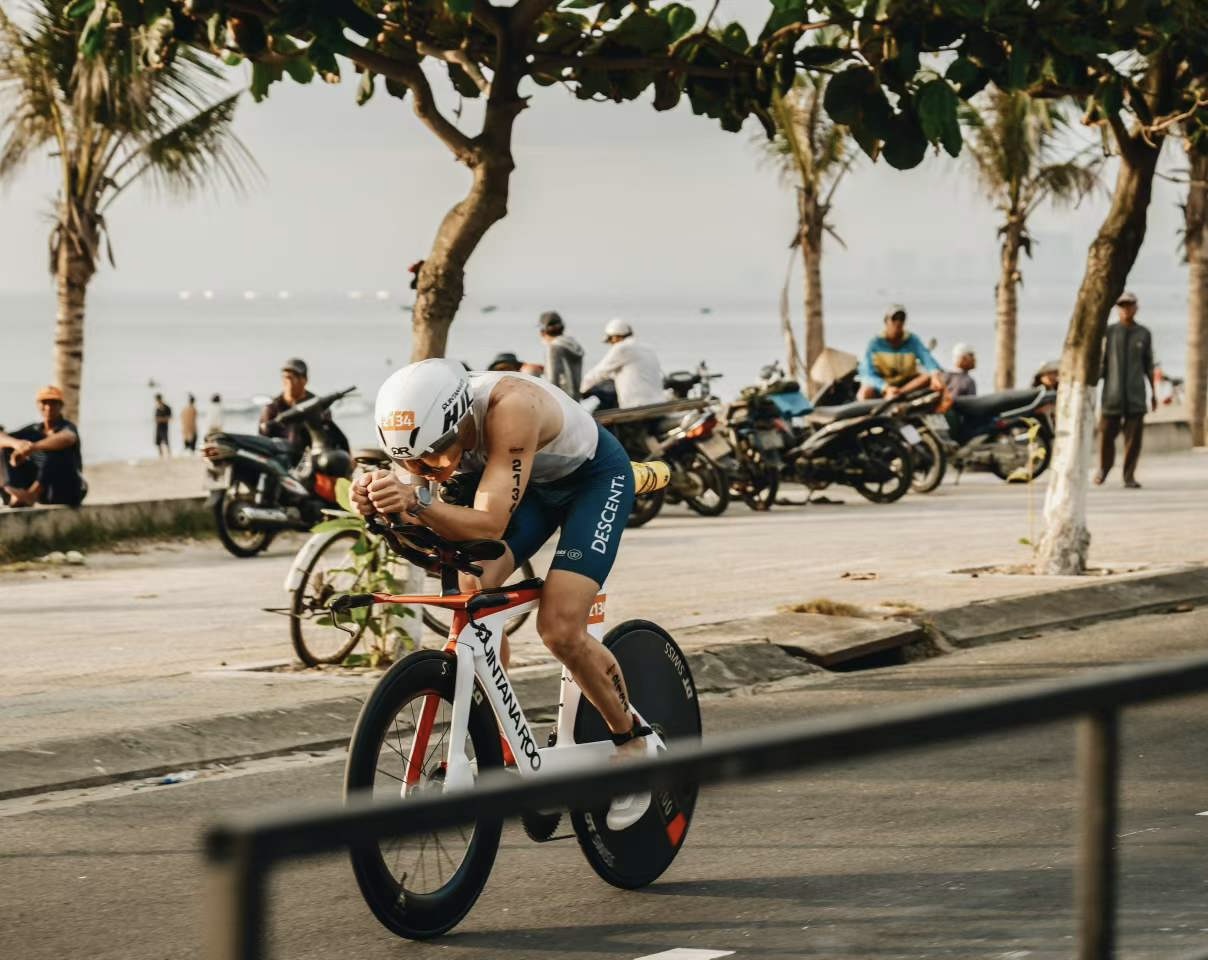
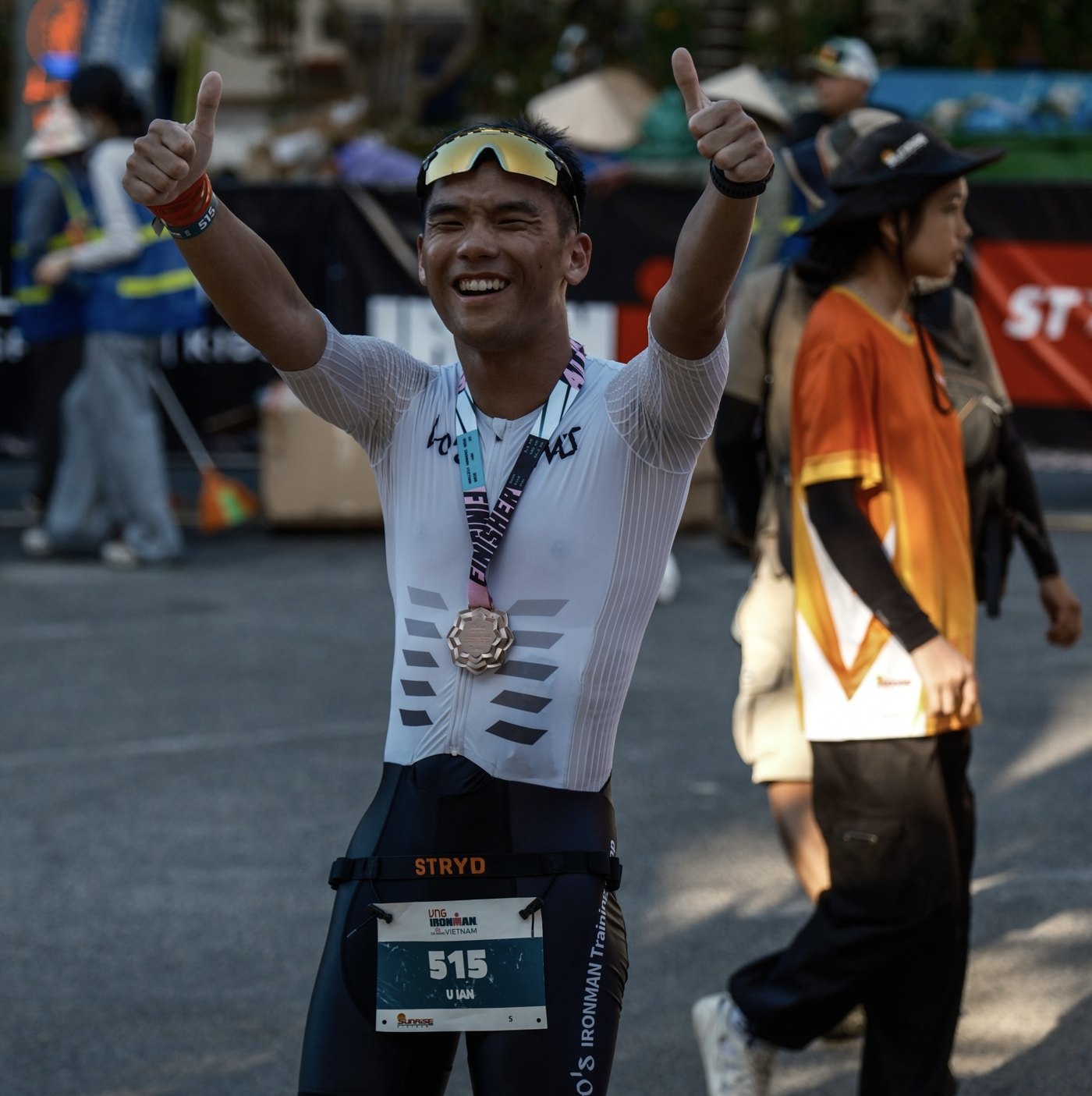
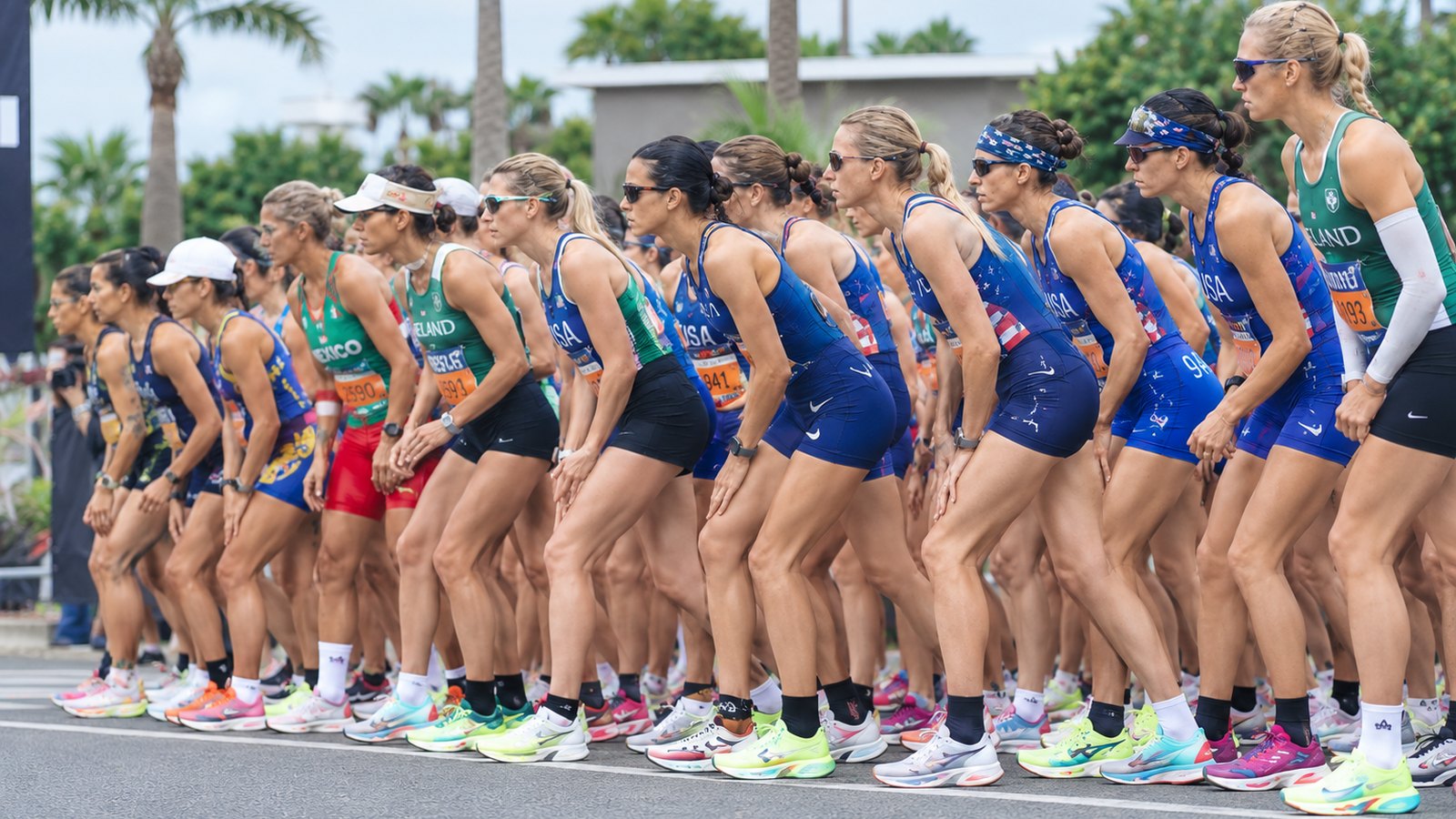
What's a masters athlete? In sport science, the term means anyone 40 or older who still races competitively. In other words, the people you and I see on the age-group start line. Aging researchers have always loved this group because they represent the ceiling of human aging: take disease and inactivity out of the picture, and how does the body actually age?
The problem is that almost all the data piled up over those decades comes from men.
This review comes out of the Human Performance Laboratory at the University of Calgary in Canada, written by Danica Vangsgaard, Patricia K. Doyle-Baker, and colleagues. They used the JBI scoping review method and searched six databases (Medline, Embase, Central, CINAHL, SPORTDiscus, and Scopus) for every study from 1984 to 2024 that looked at the determinants of endurance performance in competitive female athletes aged 40 and up.
Forty years. Only 29 studies made the cut.
Ask the same question about male athletes and there's enough literature to fill a textbook chapter. A 2008 review by Hirofumi Tanaka and Douglas Seals is the classic example. It laid out a framework for masters-athlete aging that people still use today: endurance performance comes down to three determinants, VO2max, lactate threshold, and exercise economy.[2] That paper also gave us a curve people still cite. Peak endurance performance holds until about 35, declines slowly until somewhere between 50 and 60, and only then gets noticeably steeper. The sample behind that curve was mostly men, too.
How little is 29 studies? Sit down with them seriously and you could read them all in two weekends. It's not all on lazy researchers, though. This group rarely got studied on its own. A lot of the time, the data on female masters athletes was just a few extra subjects tacked onto studies of men.
2. What We Know: Aerobic Capacity Drops 0.5 to 2.4% a Year, Mostly Because of the Heart
Of the 29 studies, 28 measured aerobic capacity, mostly with VO2max. The results line up pretty well: after 40, it drops 0.36 to 0.84 mL/kg/min a year. As a percentage, that's roughly 0.5 to 2.4% a year.
The main cause is lower cardiac output. Put simply, your heart pumps less blood per minute. Changes in body composition come second: less muscle mass and a higher body-fat percentage.
The other two pillars aren't as consistent. Results on lactate kinetics and exercise economy were mixed. The early direction looks like this: lactate threshold as a percentage of VO2max goes up with age, peak lactate stays about the same, and the energy it costs to run at the same speed goes up with age.
That first one deserves a closer look. The ceiling on your aerobic engine does come down, but the share of it you can use steadily actually goes up. The review just reports this without explaining it. Where I take it from there: this is why plenty of athletes in their 40s test a lower VO2max than they did ten years ago, yet their race results haven't dropped nearly as much. That part is my own inference. The research didn't measure it directly.
On exercise economy, the two bodies of research point in opposite directions. Tanaka and Seals concluded that economy doesn't change with age in trained endurance athletes.[2] This review of women found the energy cost goes up with age. Neither one is settled. The women's side only has preliminary evidence, and the men's side had almost no women in the sample. Whether the male aging curve applies directly to women is something nobody has tested yet.
3. Training Volume Is the Most Actionable Finding in the Whole Review
There's one finding in this review that every athlete over 40 should underline: training volume was a significant predictor of aerobic capacity. Athletes who kept their volume up declined noticeably less.
So the more you train, the less you lose? Don't push that too far. This is observational data. The people who manage to keep their volume up may just be the ones who recover better, get hurt less, and have lives that allow it. You can't fully sort out cause and effect.
The direction, though, matches what Tanaka and Seals said more than a decade ago: a big part of why masters athletes' performance and physiological markers decline comes down to their training intensity and volume declining.[2] One review built mostly on men, one looking only at women, and they point at the same thing.
Even after you discount the cause-and-effect part, this is still the only variable on the whole list that you control. You can't change your age. You can't change how your cardiac output ages. You can change your training volume.
4. And Menopause? The Most Honest Line in the Literature: We Don't Know Yet
The authors didn't force a conclusion here. They wrote it straight: the exact effect of menopause on these performance markers is still unclear. That's what I respect most about the whole review.
Why can't anyone answer it? To answer it, you'd have to follow the same group of athletes and test them from before menopause through to after it, over several years. That kind of long-term follow-up data barely exists for this group. And cross-sectional studies can't separate age from menopause. The two happen at almost the same time, so when you measure a decline, there's no clean way to say which one caused it.
So the next time you see an article claiming "menopause will cut your endurance performance by X%," just close it. Right now, no study can back up that X.
"Not enough evidence" and "doesn't exist" are two different things. Worse sleep, changes in how your body handles heat, slower recovery: these are real changes you can see in training, and what the athlete feels is even more real. If science hasn't measured it yet, that only means the research hasn't caught up. It doesn't mean what you're going through isn't happening.
5. How I Tell "This Is Aging" From "This Is Something You Can Train Back"
Honestly, right now I look at one thing: has the training volume been interrupted?
0.5 to 2.4% a year doesn't sound like a wide range, but the top end is nearly five times the bottom. Going by the current evidence, the biggest factor in which end you land on is whether your training stayed consistent. So when a female athlete in her 40s tells me, "Nothing I do seems to work lately," the first thing I do is open her training log and scroll back. Over the last six months or a year, has her volume been interrupted? For how long? One long gap, or a scattering of missed sessions?
If the volume hasn't been interrupted and she's still sliding, that's when we start talking about "your body may really be changing." Then I look at things outside of training volume: recovery, sleep, the menstrual cycle, and menopause symptoms. Most watches now give you sleep and HRV numbers, but those numbers can tell you how you're doing. They can't tell you why. For that part, I still have to ask. If the volume has been interrupted, don't rush to blame age or menopause. Get the volume back first, give it a few months, and a lot of "aging" goes away on its own.
For most age-groupers, that's good news. Research keeps documenting decline in elite masters athletes, and my read is that it's because their volume hit the ceiling long ago. They don't have the option of training the volume back. Age-groupers are still a long way from that ceiling, so there's a lot more room to work with. That's my inference too. The review itself didn't compare elites with age-groupers.
One more thing belongs alongside all this. In "Are Women Really More Durable?" I said sex is at most a starting assumption before you build a plan. What really counts is how this particular athlete responds to fatigue. Age works the same way: 40 is where an age group starts, not where your body changes.
Back to that quiet question: "Is it menopause? Is that why I can't train like I used to?" At least now I can give you an honest answer. Science can't answer it yet, but it has pointed out one thing: the most useful variable you have hasn't been put to work yet.
References:
- Vangsgaard, D., Noumi, M., Hayden, K. A., & Doyle-Baker, P. K. (2026). Effects of Aging on Determinants of Endurance Performance in Women Masters Athletes: A Scoping Review. Healthcare, 14(8), 1080. https://doi.org/10.3390/healthcare14081080
- Tanaka, H., & Seals, D. R. (2008). Endurance exercise performance in Masters athletes: age-associated changes and underlying physiological mechanisms. The Journal of Physiology, 586(1), 55–63. https://doi.org/10.1113/jphysiol.2007.141879
Editor's note: This article is general training education. Individual training prescriptions still need to be tailored to each athlete's fitness, injury history, and gynecological and endocrine health. If menopause symptoms are affecting your daily life or health, talk to your doctor.